The duo behind the flavor profile. ͏  ͏  ͏  ͏  ͏  ͏  ͏  ͏  ͏  ͏  ͏  ͏  ͏  ͏  ͏  ͏  ͏  ͏  ͏  ͏  ͏  ͏  ͏  ͏  ͏  ͏  ͏  ͏  ͏  ͏  ͏  ͏  ͏  ͏  ͏  ͏  ͏  ͏  ͏  ͏  ͏  ͏  ͏  ͏  ͏  ͏  ͏  ͏  ͏  ͏  ͏  ͏  ͏  ͏  ͏  ͏  ͏  ͏  ͏  ͏  ͏  ͏  ͏  ͏  ͏  ͏  ͏  ͏  ͏  ͏  ͏  ͏  ͏  ͏  ͏  ͏  ͏  ͏  ͏  ͏  ͏  ͏  ͏  ͏  ͏  ͏  ͏  ͏  ͏  ͏  ͏  ͏  ͏  ͏  ͏  ͏  ͏  ͏  ͏  ͏  ͏  ͏  ͏  ͏  ͏  ͏  ͏  ͏  ͏  ͏  ͏  ͏  ͏  ͏  ͏  ͏  ͏  ͏  ͏  ͏  ͏  ͏  ͏  ͏  ͏  ͏  ͏  ͏  ͏  ͏  ͏  ͏  ͏  ͏ ­ ­ ­ ­ ­ ­ ­ ­ ­ ­ ­ ­ ­ ­ ­ ­ ­ ­ ­ ­ ­ ­ ­ ­ ­ ­ ­ ­ ­ ­ ­ ­ ­ ­ ­ ­ ­ ­ ­ ­ ­ ­ ­ ­ ­ ­ ­ ­ ­ ­ ­ ­ ­ ­ ­ ­ ­ ­ ­ ­ ­ ­ ­ ­ ­ ­ ­ ­ ­ ­ ­ ­ ­ ­ ­ ­ ­ ­ ­ ­ ­ ­ ­ ­ ­ ­ ­ ­ ­ ­ ­ ­ ­ ­ ­ ­ ­ ­ ­ ­ ­ ­ ­ ­ ­ ­ ­ ­ ­ ­ ­ ­ ­ ­ ­ ­ ­ ­ ­ ­ ­ ­ ­ ­ ­ ­ ­ ­ ­ ­ ­ ­ ­ ­
A horizontal dark green rectangular banner with the white, widely spaced uppercase text “NATHAN & SONS” centered across it.

Not all sweeteners are created equal.

Most are just there to make things taste sweet. Sometimes, they can even cause damage to your teeth.

Xylitol and erythritol?

They're a little more interesting.

Because when it comes to your oral microbiome, these two sweeteners can do way more than just satisfy your sweet tooth.

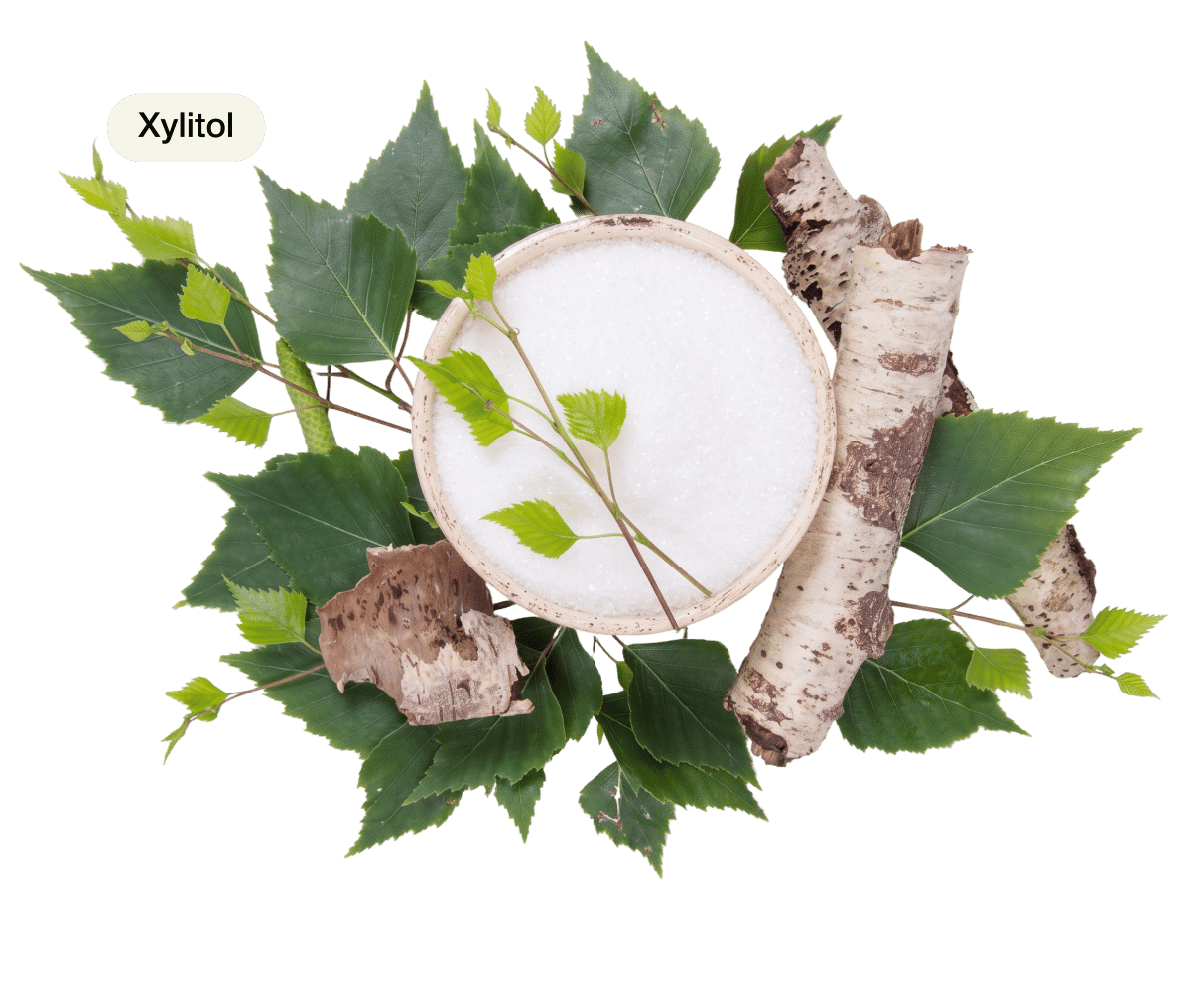
Overhead composition of a round, shallow wooden bowl filled with white granules, surrounded by pale, mottled birch bark and green leafy branches again...

Let's start with xylitol.

Xylitol is especially interesting because cavity-causing bacteria doesn’t metabolize it the way it metabolizes regular sugar.

Research has even found that regular xylitol use can reduce levels of Streptococcus mutans, one of the bacteria associated with tooth decay.

It can also help reduce plaque accumulation and support healthier gums.

That's a lot more impressive than simply tasting sweet.

Upgrade Your Oral Care
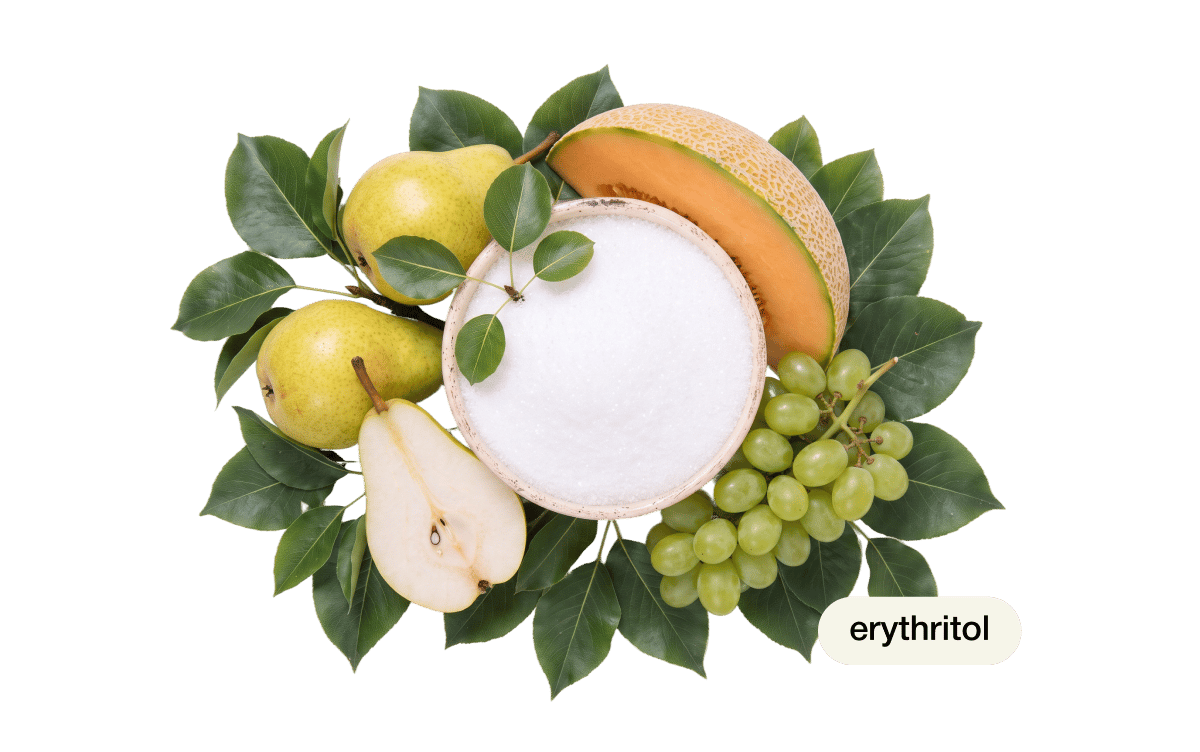
A centered close-up arrangement on a solid dark green background shows yellow pears, a cut pear, a halved orange-fleshed melon, green grapes, and dark...

Then there's erythritol.

Erythritol has its own credentials.

Research suggests it can reduce plaque buildup and interfere with the ability of certain oral bacteria to adhere to your teeth.

It's also been shown to reduce levels of some cariogenic bacteria in plaque and saliva.

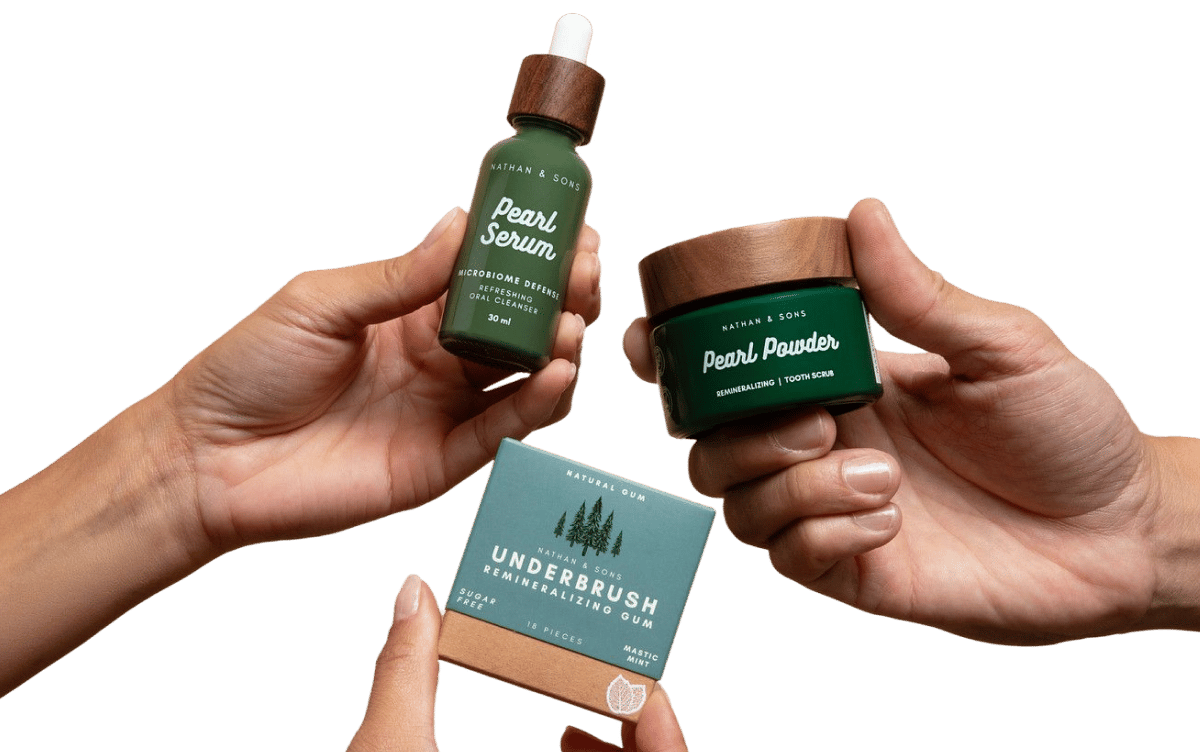
Close-up product image of three hands holding a dark green dropper bottle, a dark green jar, and a teal-and-tan box against a solid green background, ...

That's what we love about ingredients like these.

They don't need a complicated explanation.

They're sweet.

They taste good.

And there are research-backed reasons behind why we use them.

So the next time you see xylitol or erythritol on an ingredient label...

Don't just think sweetener.

Think:

Oral care ingredient.

Shop Nathan & Sons
A wide, cropped view shows a dark rocky ledge in the foreground, with the lower legs of a person standing near the center against a muted tan sky; lar...
A wide, cropped landscape image shows dark, layered rock formations filling the left and center foreground, with muted orange-brown mountains beneath ...