A WHOOP scientist on what five million nights of data show ‌ ‌ ‌ ‌ ‌ ‌ ‌ ‌ ‌ ‌ ‌ ‌ ‌ ‌ ‌ ‌ ‌ ‌ ‌ ‌ ‌ ‌ ‌ ‌ ‌ ‌ ‌ ‌ ‌ ‌ ‌ ‌ ‌ ‌ ‌ ‌ ‌ ‌ ‌ ‌ ‌ ‌ ‌ ‌ ‌ ‌ ‌ ‌ ‌ ‌ ‌ ‌ ‌ ‌ ‌ ‌ ‌ ‌ ‌ ‌ ‌ ‌ ‌ ‌ ‌ ‌ ‌ ‌ ‌ ‌ ‌ ‌ ‌ ‌ ‌ ‌ ‌ ‌ ‌ ‌ ‌ ‌ ‌ ‌ ‌ ‌ ‌ ‌ ‌ ‌ ‌ ‌ ‌ ‌ ‌ ‌ ‌ ‌ ‌ ‌ ‌ ‌ ‌ ‌

Why your own data beats the population average

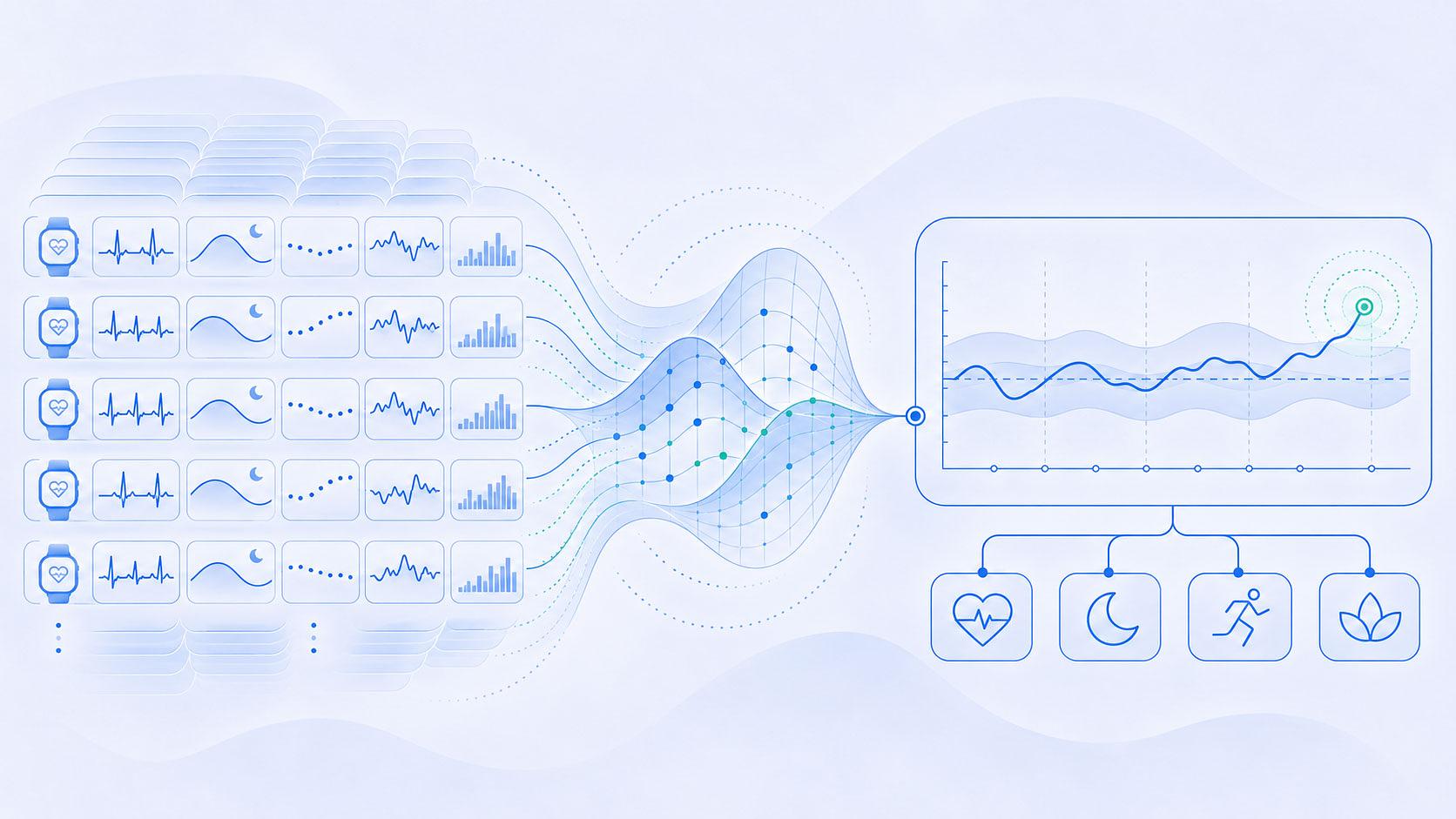
When a study pools data from millions of people, how much does the result tell you about your own body? Greg Grosicki has worked on both sides of that question. As an exercise physiology professor at Georgia Southern University, he ran lab trials that took two years to enroll fewer than 40 people. Now, as research science technical lead at WHOOP, he studies de-identified data from millions of members, and the scale has shown him just how differently bodies respond to the same habits. On the latest episode of NextLevel, he explained what that much data can reveal, what it can't, and where an average stops being useful.

See why your own data matters →

Five Key Takeaways

1. One extra drink has a small but measurable cost.

In a study of about 21,000 members, one drink beyond a person's usual was linked to a resting heart rate about two beats higher during sleep, HRV about four milliseconds lower, a few minutes less sleep, and less activity the next day. No single night is alarming, but on a habit of drinking a third of nights, that adds up to hours of lost sleep and movement over a year.

2. Timing helps, and a hard workout doesn't.

Drinking earlier in the evening and getting extra sleep were linked to a smaller hit, while on more active days the same drinks pushed heart rate higher and HRV lower. Women also responded more strongly than men to the same amount, even after accounting for body size.

3. HRV varies too widely for a population norm to mean much.

Readings run from single digits in very sick people to several hundred milliseconds, and genetics may account for around 60 percent of a person's level. The useful signal is how tonight's number compares to your own last week or last year.

4. How much your HRV swings may matter more than the number.

A measure called HRV-CV captures how much HRV bounces around over a week, and in a study of more than 21,000 people it tracked alcohol and sleep more closely than HRV itself. Grosicki also sees HRV often dipping two to three days before members report being sick, though turning that into a reliable alert is still in development.

5. A population average is only a starting guess.

In a study now under review, sleeping with a dog was linked on average to slightly better heart rate and HRV and a bit less sleep, but that number blends strong responders, weak ones, and everyone in between. Your own data is how you find out which group you're in.

Read the full story →

Looking to understand more about your metabolic health?
Explore our health news and advice site,
Metabolic Insights

228 Park Ave South, PMB 63877, New York, NY 10003