Even a pro-peptide researcher has one big reservation ‌ ‌ ‌ ‌ ‌ ‌ ‌ ‌ ‌ ‌ ‌ ‌ ‌ ‌ ‌ ‌ ‌ ‌ ‌ ‌ ‌ ‌ ‌ ‌ ‌ ‌ ‌ ‌ ‌ ‌ ‌ ‌ ‌ ‌ ‌ ‌ ‌ ‌ ‌ ‌ ‌ ‌ ‌ ‌ ‌ ‌ ‌ ‌ ‌ ‌ ‌ ‌ ‌ ‌ ‌ ‌ ‌ ‌ ‌ ‌ ‌ ‌ ‌ ‌ ‌ ‌ ‌ ‌ ‌ ‌ ‌ ‌ ‌ ‌ ‌ ‌ ‌ ‌ ‌ ‌ ‌ ‌ ‌ ‌ ‌ ‌ ‌ ‌ ‌ ‌ ‌ ‌ ‌ ‌ ‌ ‌ ‌ ‌ ‌ ‌ ‌ ‌ ‌ ‌

The peptide boom is running ahead of the science

On October 28, HHS said it would stop taking action against licensed pharmacies that compound six popular peptides, including BPC-157 and TB-500, the pair sold online as the "Wolverine stack." For a market that's run on gray-market vials for years, that sounds like a turning point. To sort out what changed and what didn't, we sat down with Dr. Christopher Robinson, a Johns Hopkins physician-scientist who specializes in pain and regenerative medicine. Robinson calls himself pro-peptide and has applied for funding to test one. That's what makes his read on the evidence worth hearing.

The truth about peptides →

Five Key Takeaways

1. "Peptide" describes a size, not a breakthrough.

Any chain of 40 or fewer amino acids counts, so insulin, growth hormone, and GLP-1 drugs like semaglutide are all peptides. The compounds getting the buzz are a lightly studied corner of a very old category.

2. Human evidence for BPC-157 is nearly nonexistent.

Thirty years of animal research comes almost entirely from one lab in Croatia. Independent reviews count fewer than 30 people across all the human studies, and no randomized trial has been completed.

3. Many popular peptides are repurposed or abandoned drugs.

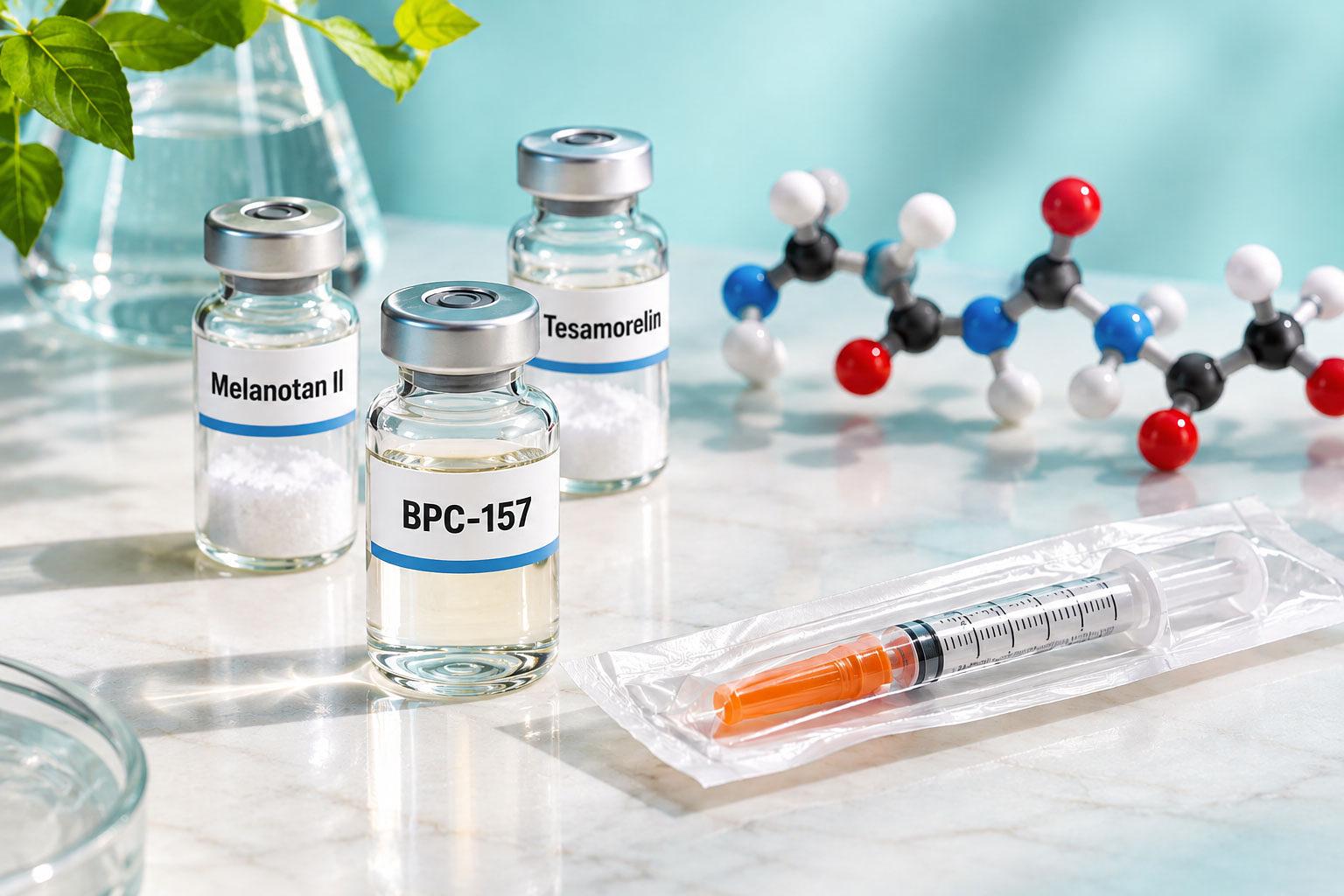
Tesamorelin is approved only to reduce abdominal fat in people with HIV-related lipodystrophy, and Melanotan II, sold for tanning, was abandoned in development before the wellness market picked it up. Using compounds like these for recovery or longevity goes well beyond what they were tested for.

4. The new policy still falls short of approval.

None of the six is FDA-approved or formally cleared for compounding, and the policy is interim. The FDA's own scientists had also recommended against all seven peptides its advisory panel reviewed. Still, a prescription from a licensed compounding pharmacy is safer than a "research use only" vial of unknown origin.

5. The trial that would settle it is simple and unfunded.

Robinson wants to test BPC-157 against a placebo for knee osteoarthritis. He'd measure function with wearables and cartilage with MRI, rather than relying on pain scores. Until data like that exists, his advice for friends and patients considering a peptide they find online or from a dude at the gym: don’t.

Read the full conversation →

Looking to understand more about your metabolic health?
Explore our health news and advice site,
Metabolic Insights

228 Park Ave South, PMB 63877, New York, NY 10003