| Thanks for reading The Abstract. This month’s edition is
1,149 words, about a
4-minute read.
|
|
Is there a topic that you’d like to see more of in
The Abstract? Drop us a line at
[hidden]. Want to get
The Abstract in your inbox? Sign up
here.
|
|

|
|
|
|
This month, researchers test one of longevity science’s boldest ideas in a human randomized trial, microscopists reveal the astonishing machinery inside living cells, and a mouse study connects NAD+ with the tiny “antennas” that help neurons maintain cellular health. We’re also reading what 600 collective years of happiness research taught the scientists themselves—and why blood-pressure advice may need to focus on what we add to our diets as well as what we remove.
|
|
|
A human trial puts senolytics to the test
|
|
|
|
|
Cellular senescence is a stress response that permanently stops damaged cells from dividing. As senescent cells build up with age, they can release inflammatory signals that disrupt nearby tissue. Senolytics aim to clear these cells while sparing healthy ones.
|
|
Small early studies paired two senolytics: dasatinib (D), a prescription cancer drug, and quercetin (Q), a plant compound in the flavonoid family found in apples and onions. They focused on safety and markers of senescence. A new phase 2 trial randomly assigned 31 people with metabolic dysfunction-associated steatohepatitis (MASH), a liver disease marked by inflammation and scarring, to receive the D+Q combination intermittently or a placebo.
|
|
After 21 weeks, liver biopsies showed that fibrosis improved by at least one stage without worsening MASH in 47% of the treatment group versus 7% of the placebo group. MASH resolved in 53% versus 7%, respectively. Gene activity linked to senescence and fibrosis also declined in liver cells.
|
|
Adverse events were more common with treatment—reported by 82% of participants versus 43% of those receiving placebo—although researchers said they were temporary and resolved without ongoing treatment. The findings suggest that targeting cellular senescence, a hallmark of aging, may improve disease outcomes in people. But larger, longer trials across multiple sites are needed to confirm the liver benefits and determine whether they outweigh the risks.
|
|
|
The Expert’s Take:
|
|
“This study represents an encouraging step toward translating our understanding of cellular senescence into meaningful clinical benefits. What makes these findings particularly compelling is that the improvements in liver health were accompanied by molecular changes consistent with reduced senescence and fibrosis. While the trial was small and the higher incidence of adverse events warrants caution, the results provide early evidence that targeting a fundamental mechanism of aging may have therapeutic benefits. Larger studies will be essential to establish the long-term safety and efficacy of this D+Q approach.”
|
| Lynne Chang, Ph.D.
|
|
VP, Product Development, Elysium Health
|
|
|
|
|
THIS MONTH
|
|
What We’re Reading
|
|
These are third-party articles about science that we find interesting but have no relationship to Elysium or any of our products. Elysium’s products are not intended to screen, diagnose, treat, cure, or prevent any disease.
|
|
|
|
|
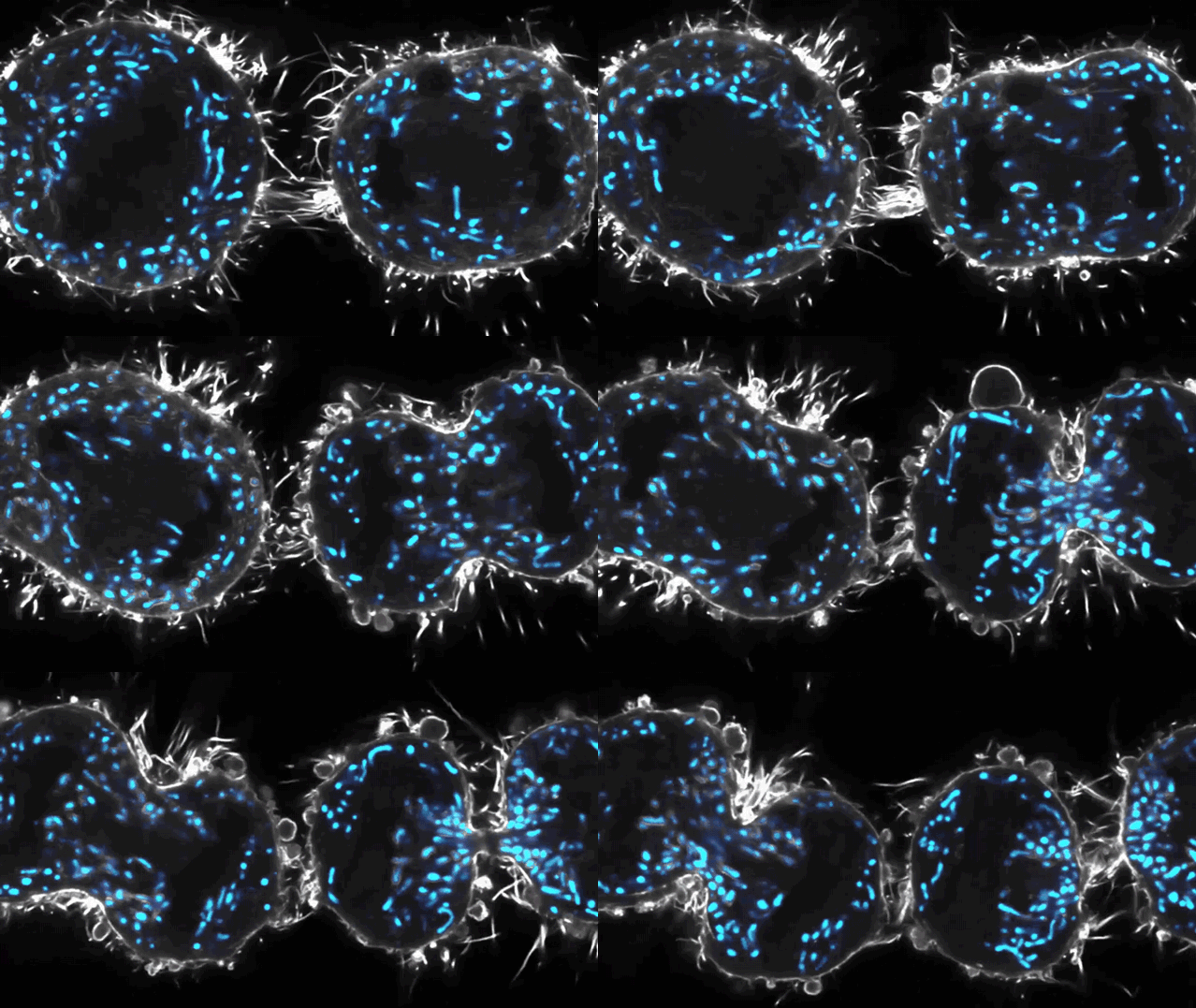
Mitochondria (blue) and actin (white) interacting in dividing cells. Andrew Moore/Howard Hughes Medical Institute. Courtesy of Nikon Small World
|
|
The hidden life inside a cell
|
|
Cells can appear static in textbook illustrations, but timelapse microscopy reveals an internal world in constant motion. Images from the 2026 Nikon Small World competitions show mitochondria weaving around chloroplasts, lysosomes traveling through neurons, and calcium signals flashing across beating heart cells. Techniques such as confocal and light-sheet microscopy allow researchers to illuminate thin cross sections of cells and tissue, making structures and interactions that were once invisible easier to observe and measure. The images capture the dynamics of several systems at the center of longevity research: mitochondria, cellular organelles that generate energy; lysosomes, which clear damaged material; and rhythmic bursts of calcium, which regulate heart muscle cell contraction. Watching these systems in real time offers more than beautiful pictures—it helps researchers understand how cells maintain order and what may begin to fail as they age. (Quanta Magazine)
|
|
NAD+ may help maintain the brain’s cellular antennas
|
|
Many brain cells have tiny, antenna-like structures called primary cilia that help them sense signals and maintain cellular health. In older mice, researchers found lower NAD+ levels, shorter cilia, and problems with lysosomes—the cellular cleanup crews that break down damaged material—in a brain region involved in metabolism. In neurons grown in the lab, experimentally lowering NAD+ shortened the cilia, while adding NR or NMN directly to the cells restored their length. The researchers then placed aged mice on a six-week calorie-restricted diet, which restored NAD+ levels, cilia length, and measures of cellular cleanup. When they disrupted the cilia, some of calorie restriction’s benefits for blood sugar control and grip strength diminished. The aged mice were not given NR or NMN, and the study did not test supplements in people. But it suggests that declining NAD+ may affect how well brain cells sense signals and clear waste as they age. (Aging Cell)
|
|
What happiness researchers changed in their own lives
|
|
What happens when happiness researchers apply their own findings? Thirteen pioneers in the field—with roughly 600 years of research between them—reflected on how the evidence had changed their lives. Relationships emerged as the strongest theme: Several researchers said they became more intentional about spending time with family and friends. Others emphasized meaningful work, gratitude, generosity, community, and savoring positive experiences. The article is not a new experiment and does not test whether these choices lead to greater happiness or longevity. Instead, it offers a rare look at which findings proved meaningful enough to shape the researchers’ own behavior. Their reflections suggest that aging well involves more than preserving physical health—it also means maintaining the relationships, purpose, and sense of connection that make a longer life worth living. (Journal of Happiness Studies)
|
|
Blood-pressure advice may be missing half the equation
|
|
Advice for lowering blood pressure has traditionally focused on eating less sodium, but a new scientific perspective argues that increasing potassium deserves equal attention. Potassium helps the kidneys remove sodium, relaxes blood-vessel walls, and can reduce some of the blood-pressure effects of a high-sodium diet. Yet many people consume less than recommended. The authors favor getting more potassium from foods such as fruits, vegetables, beans, and dairy while continuing to limit sodium-heavy processed foods. This is a review of existing evidence rather than a new clinical trial, and increasing potassium is not appropriate for everyone: People with kidney disease or taking medications that affect potassium should consult a clinician. Still, improving the balance between sodium and potassium could support healthier blood pressure—and reduce the cardiovascular and kidney damage that can shorten healthspan. (The American Journal of Clinical Nutrition)
|
|
|
|
|
TERM OF THE MONTH
|
|
Eudaimonic well-being
|
|
/ˌyü-dī-ˈmä-nik ˈwel-ˌbē-iŋ/
|
|
A sense of well-being that comes from living in line with your values and spending time on things that feel meaningful. It can come from close relationships, purposeful work, or contributing to your community. In this month’s story on happiness research, several scientists described making more time for family and friends after studying what helps people thrive.
|
|
|
|
|
|
AGING 101
|
|
When aging cells become an immune-system problem
|
|
|
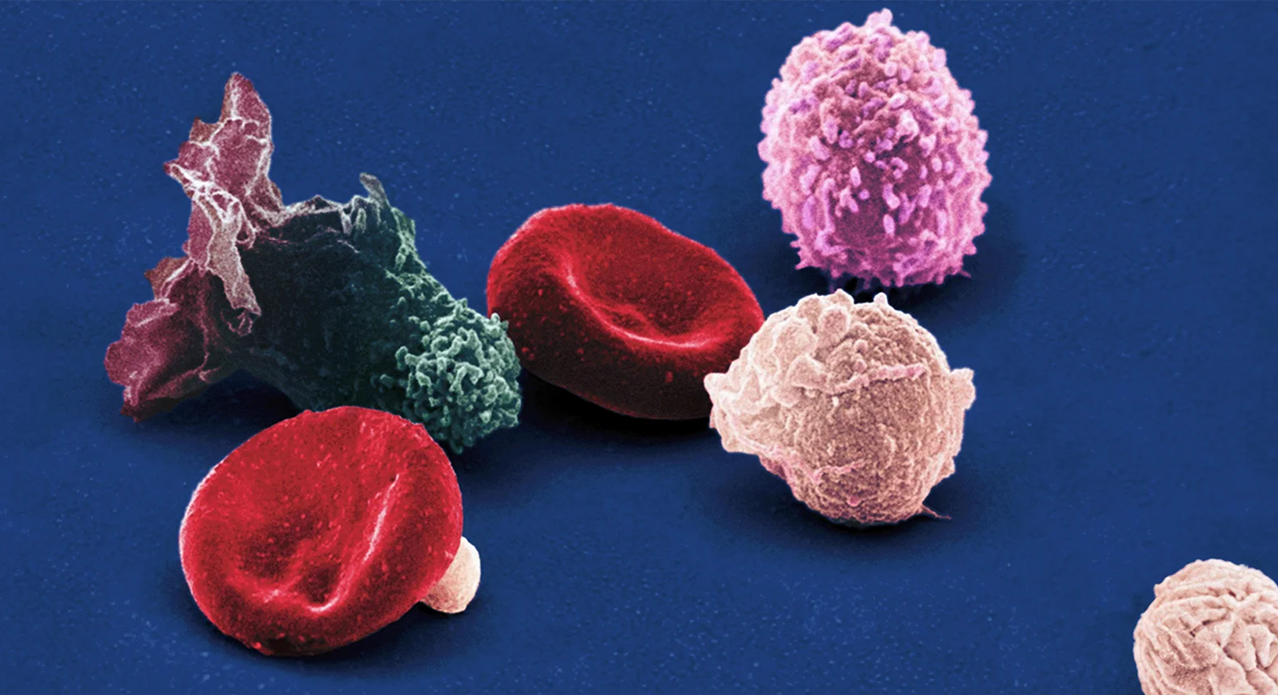
When senescent cells accumulate, their inflammatory signals can damage nearby tissue. Learn why these cells become harder to clear with age—and how they contribute to “inflammaging.” (Read more)
|
|
|
Stay connected with Elysium via text
|
| Sign up for texts to get product news, longevity insights,
exclusive offers—and
25% off your first monthly subscription.
|
|
|
|
|
|
|
|
|