| Thanks for reading The Abstract. This month’s edition is
1,060 words, about a
4-minute read.
|
|
Is there a topic that you’d like to see more of in
The Abstract? Drop us a line at
[hidden]. Want to get
The Abstract in your inbox? Sign up here.
|
|

|
|
|
|
Could humans live to 190? A new mathematical model explores the outer limits of human lifespan—even if every other known driver of aging could be eliminated. Also in the August edition of
The Abstract: what the clinical evidence says about collagen supplements, whether eating less protein could support longevity, the growing effort to regenerate the aging thymus, and why vitamin B12 deficiency can sometimes look like aging.
|
|
|
Could humans live to 190—but not forever?
|
|
|
|
|
Imagine that every age-related disease—and every other known driver of aging—could be eliminated. How long would humans live? In a new mathematical model, researchers isolated one remaining source of decline: somatic mutations, the random DNA changes that accumulate in cells throughout life. Their simulations produced median lifespans between 146 and 194 years, suggesting that mutations alone might eventually prevent indefinite survival. The greatest constraints came from long-lived cells in the brain and heart, which are replaced less frequently than cells in regenerative tissues such as the skin and liver. These figures are not forecasts or experimental results, and exceptional individuals could theoretically live longer. Instead, the model offers a framework for estimating how much individual biological processes contribute to lifespan—and suggests that DNA damage may not be a major determinant of normal human lifespan.
|
|
|
The Expert’s Take:
|
|
"An interesting implication of this study is that somatic mutation accumulation may contribute relatively little to
normal human lifespan. The authors' mathematical model predicts that mutation-driven loss of cell function would become life-limiting only after approximately 150–200 years, whereas the median human lifespan is approximately 80 years. If the model is approximately correct, then most humans die from other aging processes long before somatic mutation accumulation reaches levels sufficient to impair organ function. My take from this paper is that somatic mutation may not be a major determinant of normal human lifespan, despite its current inclusion within the broader hallmark of genomic instability."
|
| Stuart Kim, Ph.D.
|
Professor Emeritus of Developmental Biology and Genetics at Stanford University School of
Medicine, member of Elysium’s Scientific Advisory Board
|
|
|
|
|
|
|
THIS MONTH
|
|
What We’re Reading
|
|
These are third-party articles about science that we find interesting but have no relationship to Elysium or any of our products. Elysium’s products are not intended to screen, diagnose, treat, cure, or prevent any disease.
|
|
|
What does the evidence say about collagen supplements?
|
|
A new review of human clinical research finds that oral collagen peptides may improve several visible and structural measures of skin aging. Across studies, supplementation was associated with better hydration and elasticity, reduced wrinkle appearance, and improvements in the skin’s extracellular matrix. The strongest results were linked to low-molecular-weight, hydroxyproline-rich peptides, while collagen source—whether marine, bovine, or porcine—did not consistently determine effectiveness. Early studies also suggest possible benefits for hair strength, nail growth, and wound healing, although the evidence in these areas is less established. The review adds to evidence that collagen peptides can support skin health from within. (Nutrients)
|
|
|
When it comes to protein, more may not always be better
|
|
A review of more than 350 studies challenges the idea that everyone benefits from eating more protein. Across animal research, protein restriction—even without reducing calories—was associated with better metabolic function and longer lifespan. Early human trials have also reported reductions in body fat and fasting blood sugar. One possible mechanism is FGF21, a hormone that rises when protein intake falls and influences energy expenditure, glucose regulation, and inflammation. But the picture is not as simple as cutting protein: Higher intake supports muscle growth and may be especially important for athletes, pregnant women, and some older adults. The evidence for lifespan extension also remains strongest in animals. Rather than identifying one optimal amount, the review suggests that protein needs should be considered in the context of age, health, and physical activity. (Cell Press Blue)
|
|
|
Can restoring the thymus rejuvenate an aging immune system?
|
|
The thymus is essential for producing T cells that fight infections and cancer—but it steadily turns to fatty tissue after puberty. By age 65, it generates only about 10% as many T cells as it did at age 8. Now, two studies drawing on data from more than 31,000 people have linked a smaller thymus with a higher risk of death, cancer, and cardiovascular disease, as well as poorer survival following cancer immunotherapy. The findings have intensified efforts to regenerate the organ as a way to restore immune function later in life. For now, however, the evidence is correlational: It does not show that thymic decline causes these outcomes or that regrowing the organ would extend lifespan. Human trials remain small, but an organ once considered expendable is becoming a major focus of longevity research. (Nature)
|
|
|
Why vitamin B12 deficiency can look like aging
|
|
Fatigue, brain fog, numbness, and balance problems are often dismissed as part of getting older—but they can also signal vitamin B12 deficiency. Emerging research suggests the connection may extend beyond B12’s established role in red blood cell production. In laboratory models of skeletal muscle, low B12 disrupted mitochondrial DNA and reduced energy production, while a related study in aged female mice found that supplementation improved mitochondrial number and structure in muscle. The findings are preclinical and do not suggest that B12 can reverse aging or boost energy in people with normal levels. But they may help explain why deficiency can cause fatigue even before anemia appears—and why maintaining adequate B12 becomes increasingly important with age. (The Conversation)
|
|
|
|
|
TERM OF THE MONTH
|
|
Thymus
|
|
/ˈthī-məs/
|
|
A small organ behind the breastbone where T cells develop and learn to recognize threats. The thymus is most active early in life and steadily shrinks after puberty, but emerging research suggests it may remain important throughout adulthood.
|
|
|
|
|
|
|
AGING 101
|
|
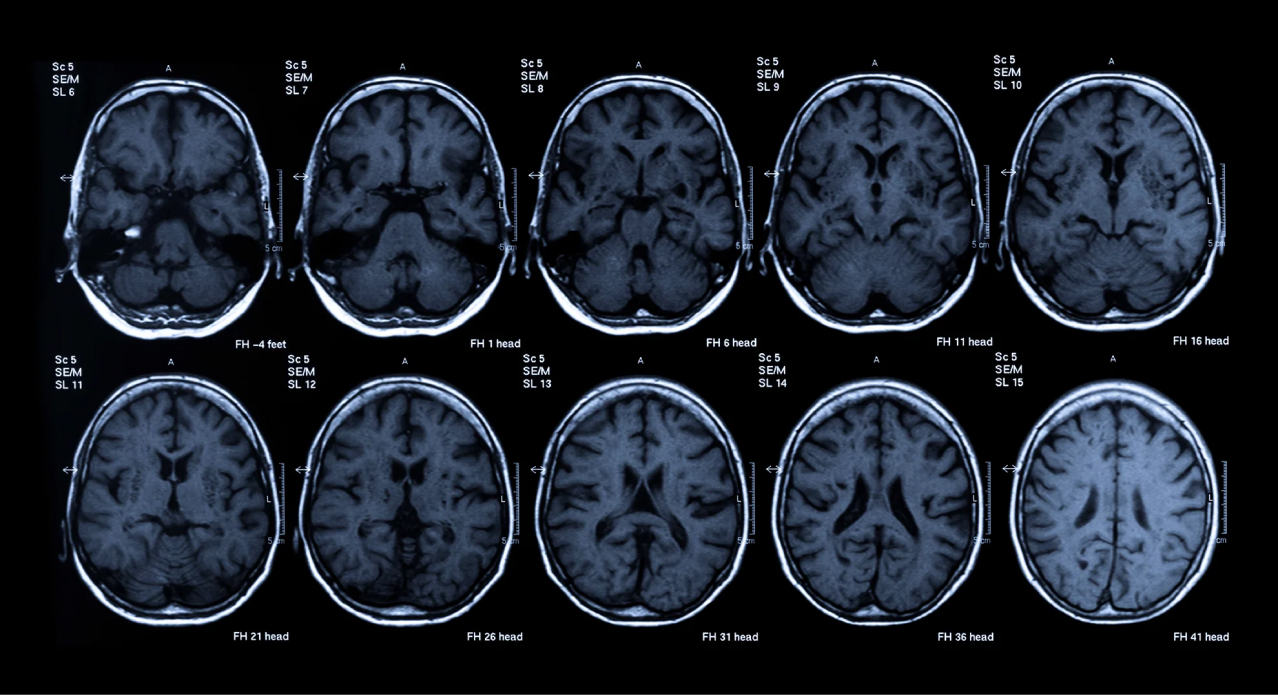
This B-vitamin formulation can significantly slow brain volume loss
|
|
|
|
An essential key to long-term brain health may lie in a simple but powerful combination of nutrients: a vitamin-B complex in combination with omega 3s. While these may already exist in your medicine cabinet, you’ll need a particular formation of them. Read on to find out how a unique formulation was developed based on a foundation of 30 years of research at the University of Oxford. (Read more)
|
|
|
|
|