It’s not addiction or a sweet tooth ‌ ‌ ‌ ‌ ‌ ‌ ‌ ‌ ‌ ‌ ‌ ‌ ‌ ‌ ‌ ‌ ‌ ‌ ‌ ‌ ‌ ‌ ‌ ‌ ‌ ‌ ‌ ‌ ‌ ‌ ‌ ‌ ‌ ‌ ‌ ‌ ‌ ‌ ‌ ‌ ‌ ‌ ‌ ‌ ‌ ‌ ‌ ‌ ‌ ‌ ‌ ‌ ‌ ‌ ‌ ‌ ‌ ‌ ‌ ‌ ‌ ‌ ‌ ‌ ‌ ‌ ‌ ‌ ‌ ‌ ‌ ‌ ‌ ‌ ‌ ‌ ‌ ‌ ‌ ‌ ‌ ‌ ‌ ‌ ‌ ‌ ‌ ‌ ‌ ‌ ‌ ‌ ‌ ‌ ‌ ‌ ‌ ‌ ‌ ‌ ‌ ‌ ‌ ‌

Your brain doesn’t crave sugar; it craves what sugar delivers

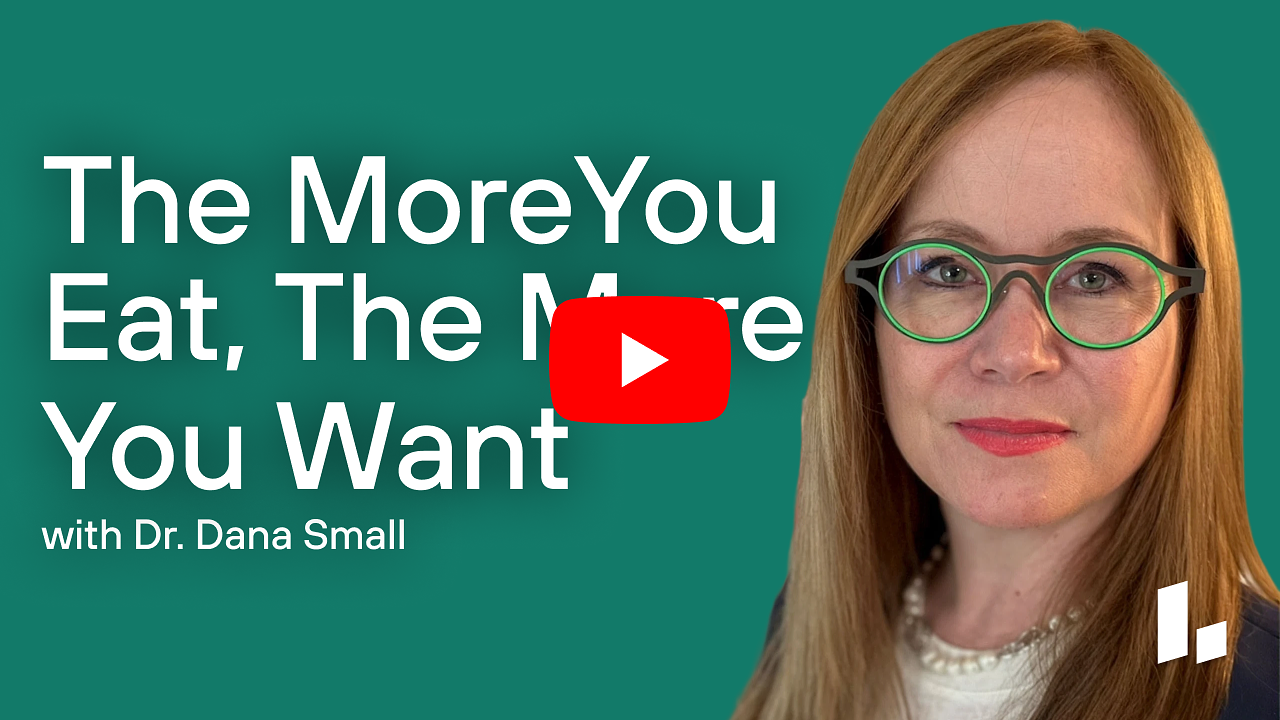
Why do you crave what you crave? Dr. Dana Small, a neuroscientist at McGill University, has spent her career testing that question with brain scans instead of assumptions. Her findings upend the usual story: it's not your tongue or your willpower driving what you want, it's your gut, quietly teaching your brain which foods are worth craving before you're ever aware of it. In a recent episode of A Whole New Level, she breaks down how that system works, why fat and sugar together hit differently than either alone, and what it means for how we think about GLP-1s.

The science behind cravings →

Five Key Takeaways

1. Your gut decides what's rewarding, not your tongue.

Once sugar is digested, a signal near your gut tells dopamine cells in your brain that it was worth it, and that registration is what actually teaches you to want the food again.

2. Taste and flavor aren't the same sense.

Taste is mostly just sweet, sour, salty, bitter, and savory. Flavor, which is mostly smell, is what you actually learn to like or avoid based on how a food makes you feel afterward, along with many other inputs.

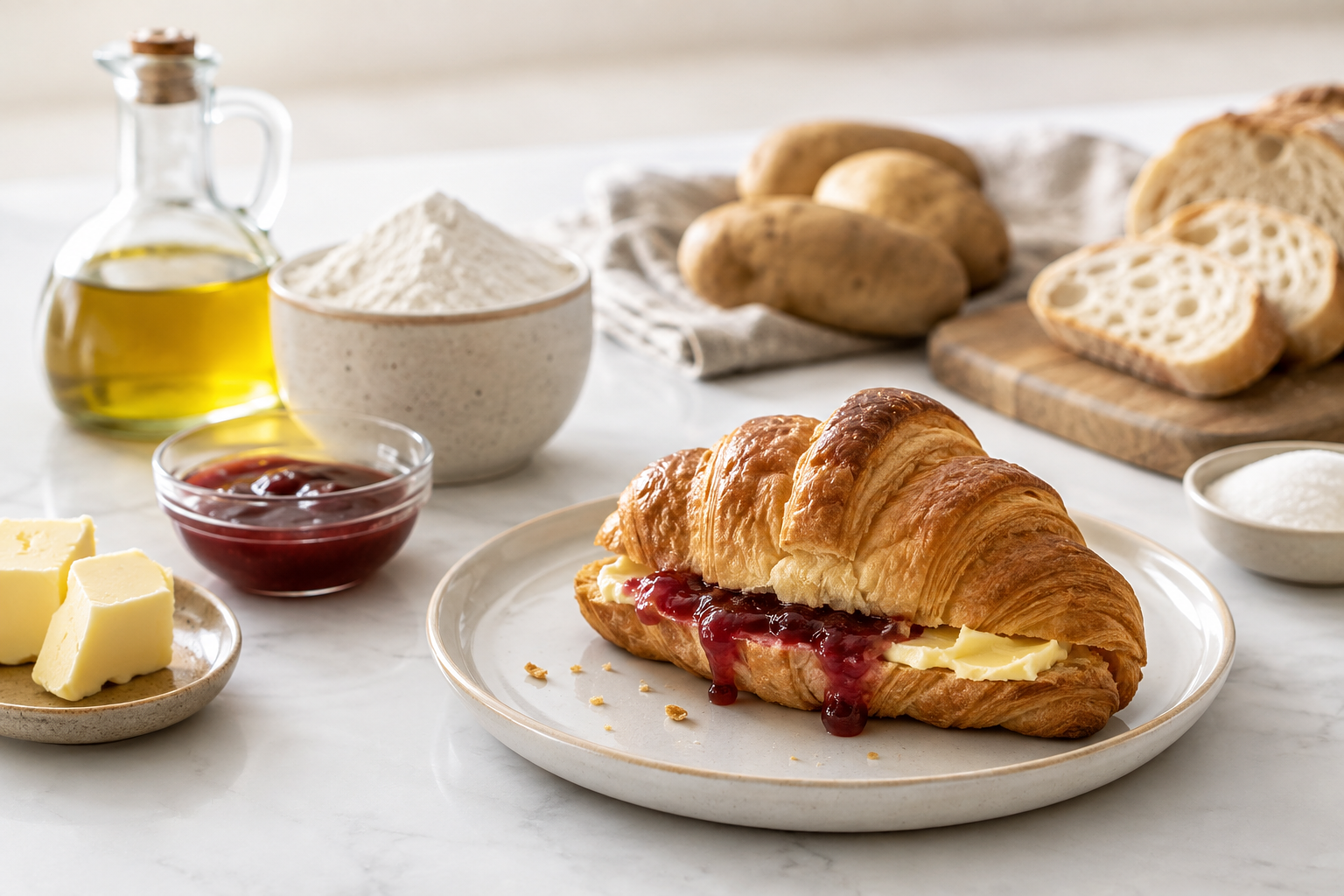
3. Fat and sugar together trip two reward pathways at once.

That combination is rare in nature, which may explain why people in experiments consistently desire foods that pair the two than for either one alone, and why those are the hardest to stop eating.

4. What you believe about a meal can change your body's real response.

It's not all gut-brain signaling. In one study, people's hunger hormones dropped more when they were told a milkshake was "indulgent," even though everyone drank the exact same drink.

5. Eight weeks of extra snacking reshaped healthy adults' reward circuits.

In one of Small's studies, participants' brains responded more to junk food and less to healthier options after eight weeks of unhealthy snacking. Small says GLP-1 drugs may work by dialing down that same wanting signal, without touching how much you actually enjoy food.

Read the full article →

Looking to understand more about your metabolic health?
Explore our health news and advice site,
Metabolic Insights

228 Park Ave South, PMB 63877, New York, NY 10003