| Back with lessons from my unusual summer. And a reminder to check out our new NextLevel podcast—the guests have been spectacular. As always, we appreciate any feedback.
With health, | | — Mike Haney, Editorial Director | | Why I need more friends ... and so do you | I had a weird summer. In May, I lost my 83-year-old father unexpectedly. He’d lived alone most of his adult life, and though I talked to him every week, I only saw him once or twice a year. I can’t know how lonely he felt, but I remember him saying the hard part about living that long is watching everyone die before you.
In the aftermath, I spent a lot of time back in my home state of Minnesota, where my closest friends still live—guys I’ve known since elementary school. I only see them a few times a year, but having them around this summer made all the difference. We’re stoic Midwesterners, so there were more jokes than hugs, but the depth of the ties was what mattered.
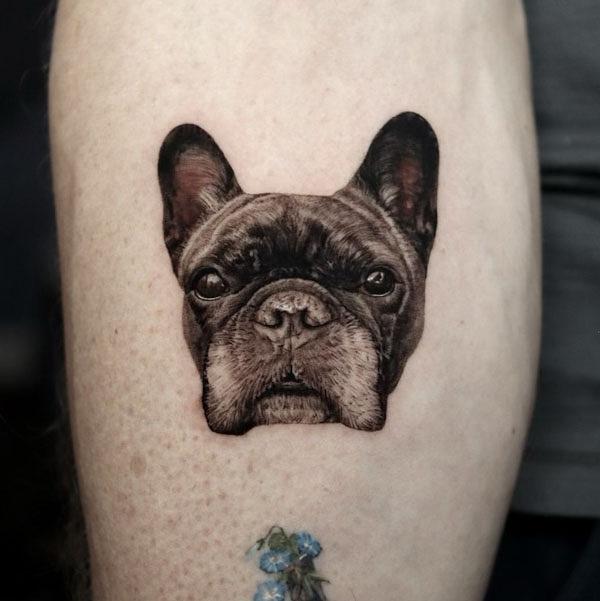
Then, just a couple of weeks ago, we said goodbye to our 14-year-old French bulldog, Lulu. Lu was very much my first child and, as a remote worker, my constant companion. She was also the reason that wherever we lived, we got to know the neighbors, who couldn’t resist approaching her.
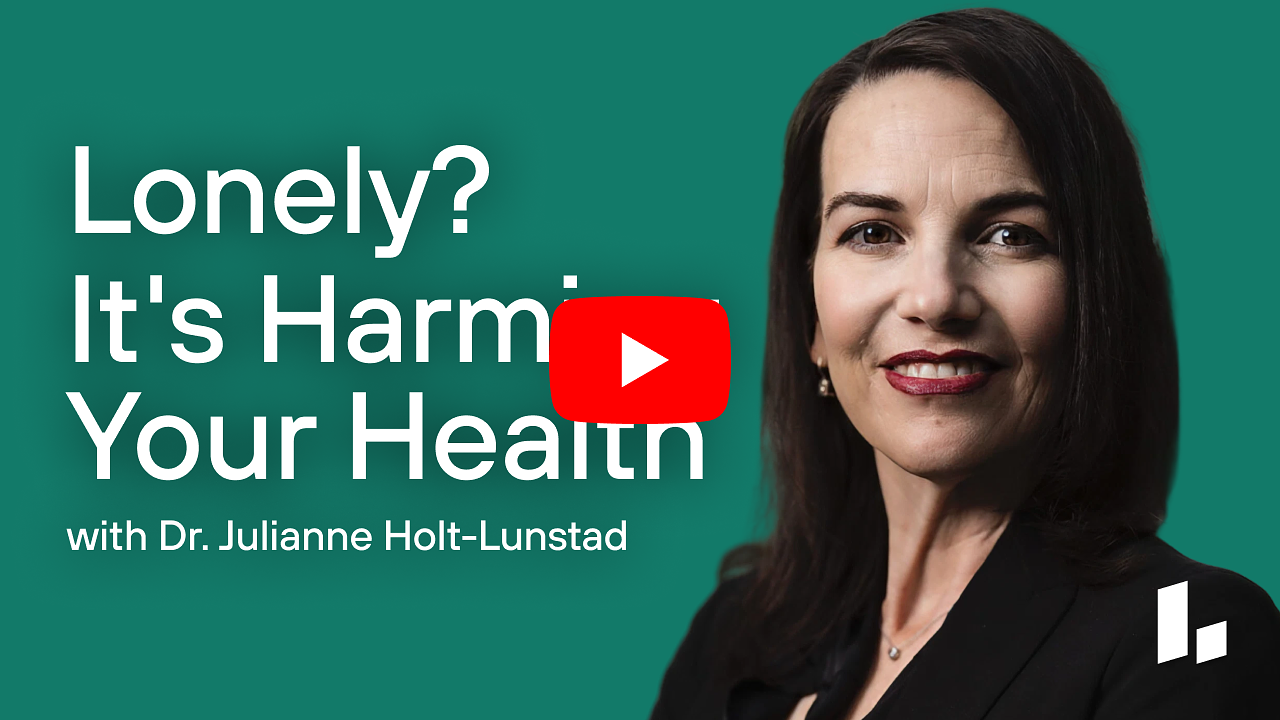
| | Through all of this, I keep returning to an interview I did a couple of weeks after my dad passed with BYU social neuroscientist Dr. Julianne Holt-Lunstad. Her expertise is in the role relationships play in our physical health. Not in a fuzzy “mindfulness matters” kind of way, but in a quantified, data-driven effect on mortality and illness kind of way.
She’s run multiple massive meta-analyses showing that the strength, variety, and quality of a person’s social ties predict survival about as much as smoking, and more than obesity or exercise. There are practical reasons: rides to the hospital, help during crises. But there are also evolutionary ones: We’re a social species. There’s work suggesting that our body interprets being alone as a threat the same as it would a tiger in the bush. Just as chronic stress builds up damaging internal processes over time, so does loneliness.
In our interview, I asked Holt-Lunstad whether my having these deep (if distant) ties, and not feeling lonely (despite having no local friends), meant I was still at risk. Her answer was likely yes. It turns out we need close, positive friendships, but we also need the weak ties—the passing "Hello" with the neighbor, the elevator small talk. (And yes, research shows dogs can contribute to your sociality—in addition to just being the best.)
I constantly rant about nailing the basics: eat real food, sleep enough, move, calm down. But after this conversation, and this summer, I’m adding a fifth: be in the world. Call your friends, join a club, learn the barista’s name, get a dog. It really matters. | | Further reading and listening: | | | Is this useful? I’d love to hear your feedback, as well as topics you want to see. Feel free to reply directly to this email. —Mike |
|
|
|