A Stanford scientist on what we can measure, and what it means ‌ ‌ ‌ ‌ ‌ ‌ ‌ ‌ ‌ ‌ ‌ ‌ ‌ ‌ ‌ ‌ ‌ ‌ ‌ ‌ ‌ ‌ ‌ ‌ ‌ ‌ ‌ ‌ ‌ ‌ ‌ ‌ ‌ ‌ ‌ ‌ ‌ ‌ ‌ ‌ ‌ ‌ ‌ ‌ ‌ ‌ ‌ ‌ ‌ ‌ ‌ ‌ ‌ ‌ ‌ ‌ ‌ ‌ ‌ ‌ ‌ ‌ ‌ ‌ ‌ ‌ ‌ ‌ ‌ ‌ ‌ ‌ ‌ ‌ ‌ ‌ ‌ ‌ ‌ ‌ ‌ ‌ ‌ ‌ ‌ ‌ ‌ ‌ ‌ ‌ ‌ ‌ ‌ ‌ ‌ ‌ ‌ ‌ ‌ ‌ ‌ ‌ ‌ ‌

We can now measure organ ages. We’re just not sure we can do anything about it.

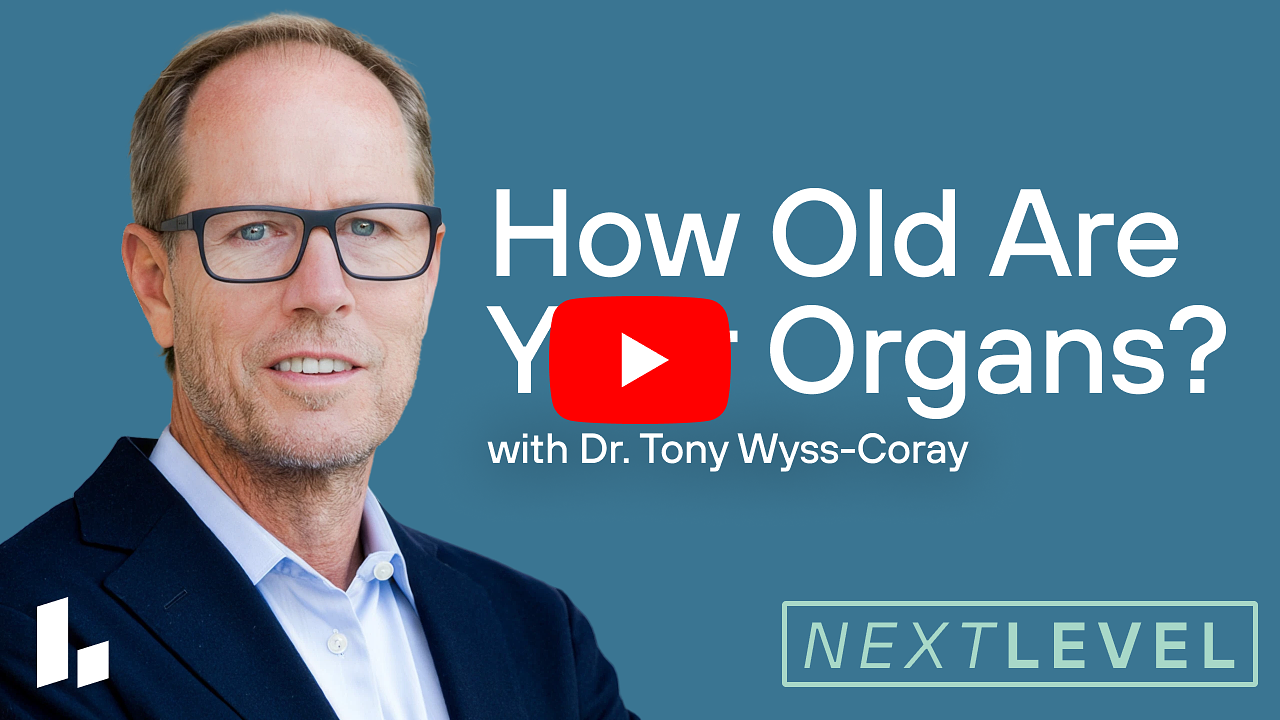
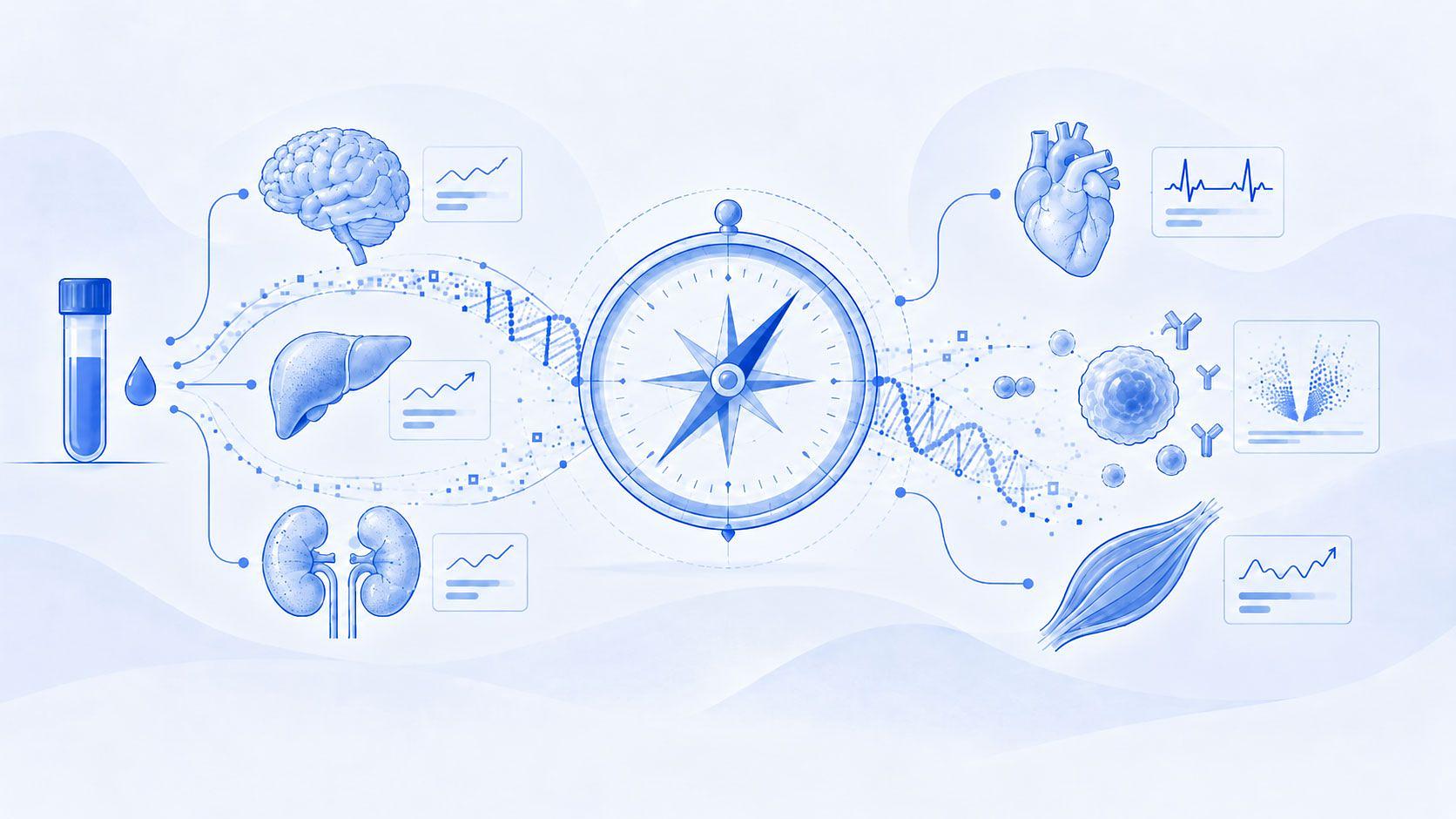
NextLevel is our series on a simple bet: healthcare is shifting from occasional checkups to constant, real-time tracking, powered by new sensors and machine learning. This episode, we talked to Dr. Tony Wyss-Coray, a Stanford neurologist whose early work found that blood from young mice could rejuvenate old mouse brains, a discovery that reshaped how his field thinks about aging. That insight led him to build a way to estimate the biological age of each of your organs, and now, of more than 40 individual cell types, from a single blood draw. He's also candid about where the science still stops short.

Explore organ aging →

Five Key Takeaways

1. Aging doesn't move at a steady pace.

When Wyss-Coray's team tracked protein shifts across the lifespan, they found bursts of change clustered around ages 30 to 40, 60 to 65, and 80, not a straight line. A Stanford geneticist found similar turning points using entirely different data, part of why he takes the pattern seriously.

2. This blood panel can flag disease years before it shows up.

In a UK Biobank study following roughly 600,000 people, those with faster heart aging had a 250% higher risk of later heart failure. Brain aging separately predicted dementia and earlier death.

3. Most people have one weak organ, not overall decline.

Across roughly 50,000 people studied, most organ ages track close to a person's actual age. A minority show one organ aging much faster than the rest, a weak link rather than a whole-body slide.

4. Zooming in on individual cells revealed sharper connections.

People with unusually aged muscle cells had about 12 times the risk of developing ALS. In people carrying two copies of the high-risk APOE4 gene, faster-aging brain support cells roughly tripled their Alzheimer's risk.

5. Predicting disease isn't the same as proving you can change it.

No one has yet shown that treating a person lowers their organ-age in a way that matches real improvement. Wyss-Coray's own estimate: a validated version of this test reaches routine clinical use in five to ten years.

Listen to the full conversation →

Looking to understand more about your metabolic health?
Explore our health news and advice site,
Metabolic Insights

228 Park Ave South, PMB 63877, New York, NY 10003