| How EV naming and branding conventions are evolving. |
Presented By |  |
It’s Monday, and McDonald’s has unveiled its own media network. Ba da ba ba ba—we’ll have to wait and see if advertisers are lovin’ it. In today’s edition: —Jordyn Grzelewski, Kristina Monllos, Jasmine Sheena |
|
BRAND STRATEGY It’s electric 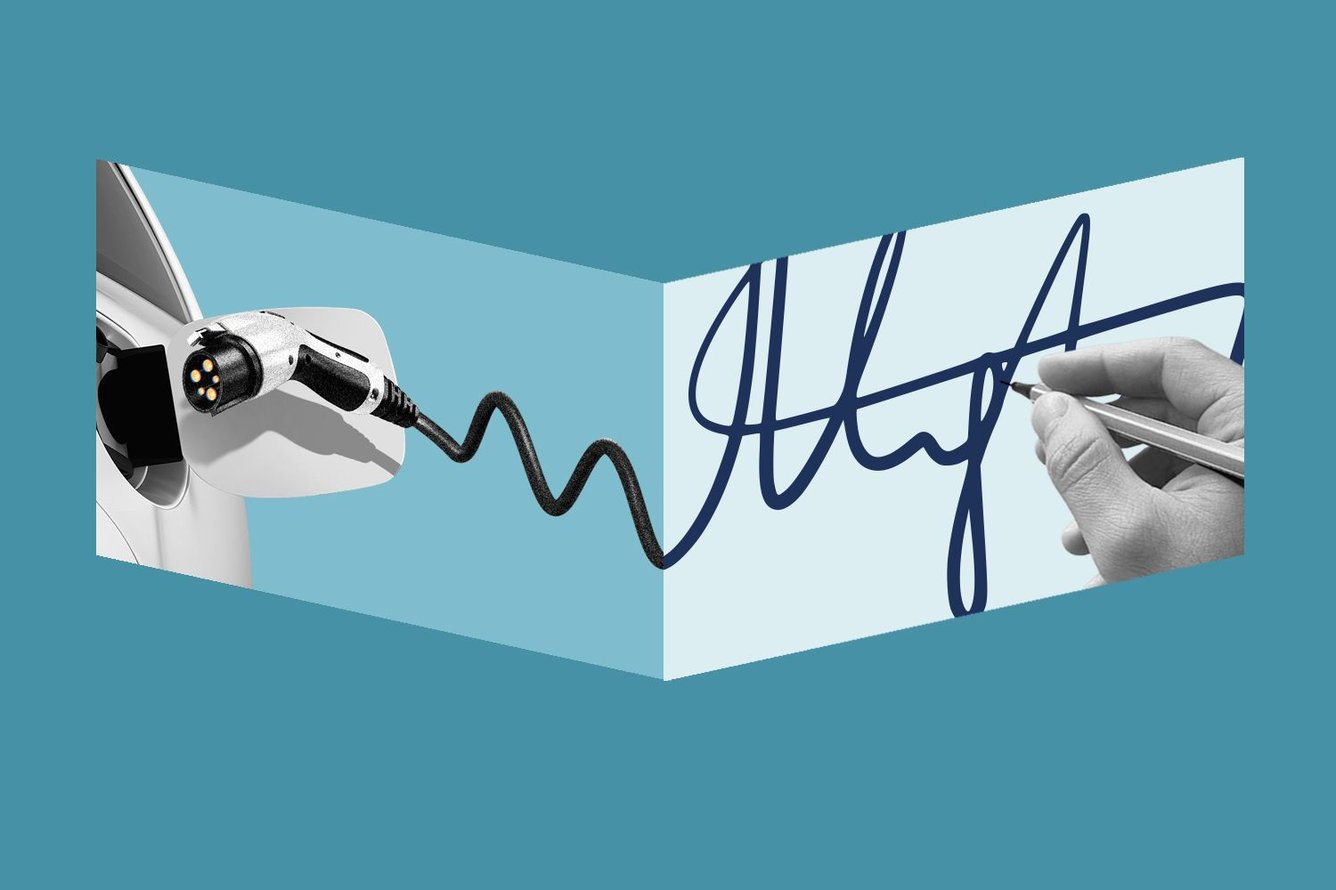 Morning Brew Design, Photos: Adobe Stock | What’s in a name? Oh, just everything a brand hopes to convey to consumers about its functional and emotional appeal—succinctly. No pressure or anything. That’s been true of EVs as they’ve gone from novelty to the mainstream—and naming conventions have evolved along the way, from the early days of the sustainability-minded Nissan Leaf to a dizzying array of alphanumeric names (looking at you, Toyota bZ4X) to recent conceptual entrants like the Ford Fathom. “Naming is not for the faint-hearted,” Johan Hesslefors, strategy director at brand agency Kurppa Hosk, told us. “A name is the beginning of a conversation you have with a product, or an experience, or a company. So it has a lot to carry.” Today, the marketing strategy behind naming EVs comes down to the specific vehicle and what the brand is trying to accomplish with it, according to Ed Kim, president and chief analyst at automotive marketing research firm AutoPacific. Some automakers may opt for quirkier names to communicate that the product is new and exciting. GM’s Chevy brand, on the other hand, has attached “EV” to existing nameplates like the Equinox, Blazer, and Silverado. Soheil Samadianpour, senior business development manager at consultancy GlobalData, wrote in a LinkedIn post that he expects to see more of this as automakers aim to normalize EVs by associating them with familiar nameplates. “By adopting names that resonate more with traditional vehicles, manufacturers can signal that these cars are not just niche products but part of the mainstream automotive market,” he wrote. Continue reading here.—JG |
|
|
Sponsored By Frontify What even is brand building anymore? 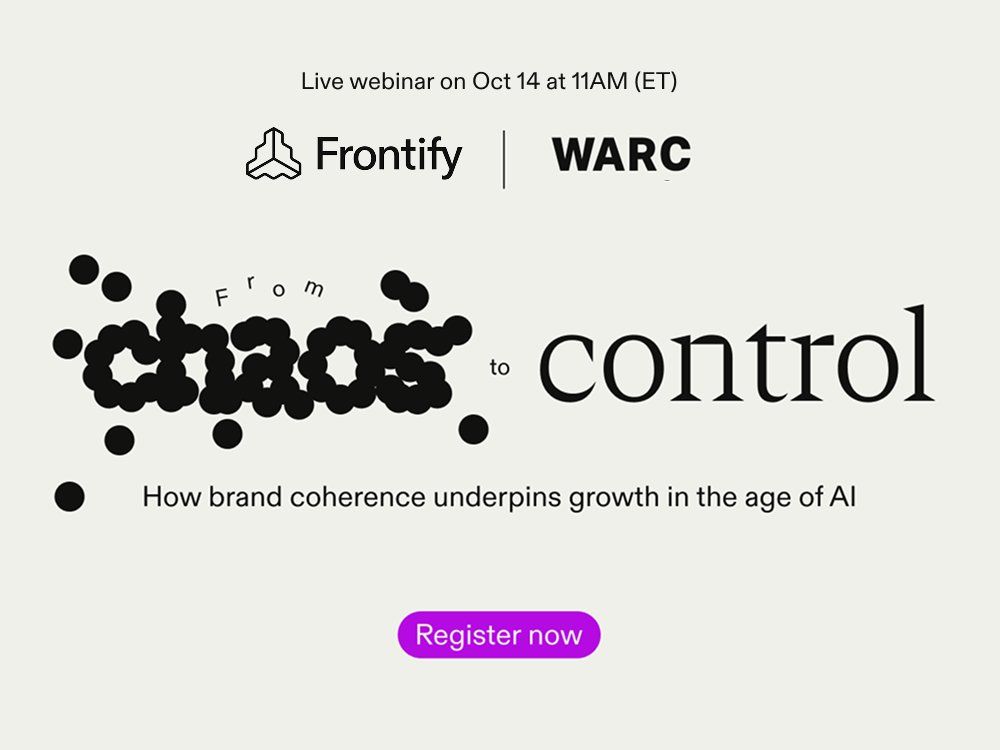 | New research from Frontify and WARC looked into how AI is changing the way brands are created, discovered, and experienced. Spoiler alert: The impact is pretty significant. AI increasingly sits between brands and their customers. That means brands now have to be recognized, trusted, and understood by both people and machines. What does that look like in practice? Leaders from Frontify and WARC are hosting a webinar to discuss just that. Join them for a candid conversation about how leaders are adapting their approach to brand building, where AI fits, and how to create systems that allow brands to move faster (without losing what makes them unique). Sound like insights you could use in your business? Save your spot at the webinar. |
|
|
SOCIAL & INFLUENCERS Mane attraction 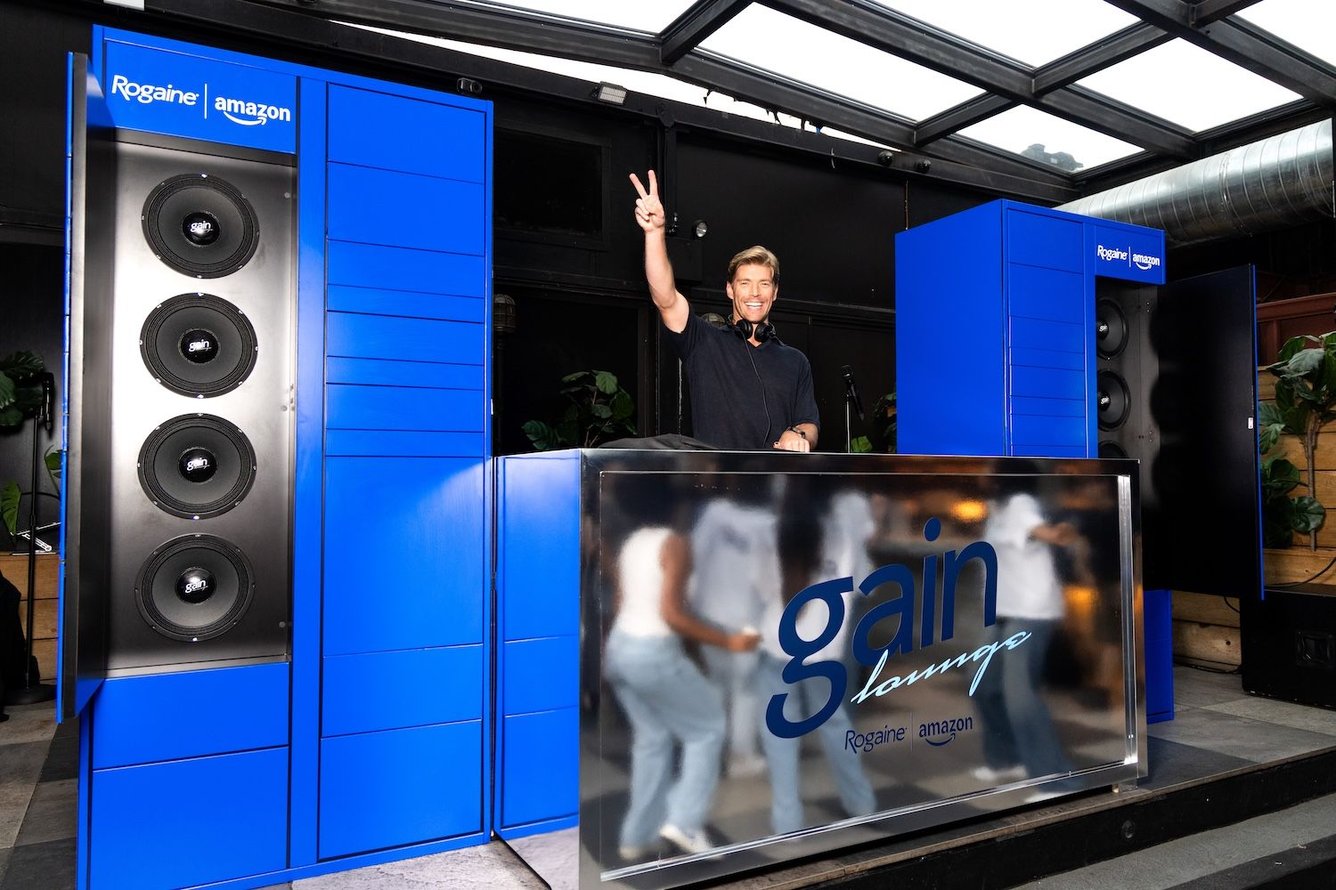 Rogaine | Some brands are synonymous with their product category: Kleenex for tissue, Band-Aid for bandages, Sharpie for permanent markers. For hair-loss prevention, Rogaine is that brand. But even with the kind of name recognition that most marketers dream about, advertising and marketing strategies still evolve with the times and for new target audiences. For Rogaine, that means reinventing how the brand goes to market, and recognizing changing views about hair loss for new generations means different messages that will hit home. “There’s a massive shift in the way consumers in general perceive hair loss as a problem—as a beauty problem—but also how they interact, therefore, with products,” Salim Mokhtari, global head of Rogaine, told Marketing Brew, adding that a broad democratization of offerings, as well as an expansion of scalp- and hair-health products overall, has aided the changing views. “We’re seeing [sentiment change] from being, ‘A problem that I deal with by myself, and I don’t really know what to do,’ to ‘I own the outcome of my hair health as an important step of my beauty [routine].’” Enter the “Summer of Gains,” a marketing platform Rogaine rolled out this summer to pitch proactive hair-loss prevention in a positive light to women and men who may be incorporating hair-loss prevention as a part of their overall beauty regimens. In late August, which is also National Hair Loss Awareness Month, Rogaine hosted an experiential pop-up in New York City, dubbed the Gain Lounge, that aimed to educate and entertain attendees. “Moving the conversation from being very lonely, shy, and ashamed to putting the conversation around gaining confidence, embracing yourself is a core fundamental shift,” Mokhtari said. “The whole point of calling it ‘Summer of Gains’ is really shifting the conversation from Rogaine and from hair loss to gaining more.” Rogaine’s marketing strategy also includes working with creators, including dermatologists, on social media, where younger consumers who may be experiencing hair loss are spending time. The approach feels more “community-based,” he said, with the strategy coming down to showing up on social “truthfully, authentically.” Read more here.—KM |
|
|
Sponsored By Snapchat 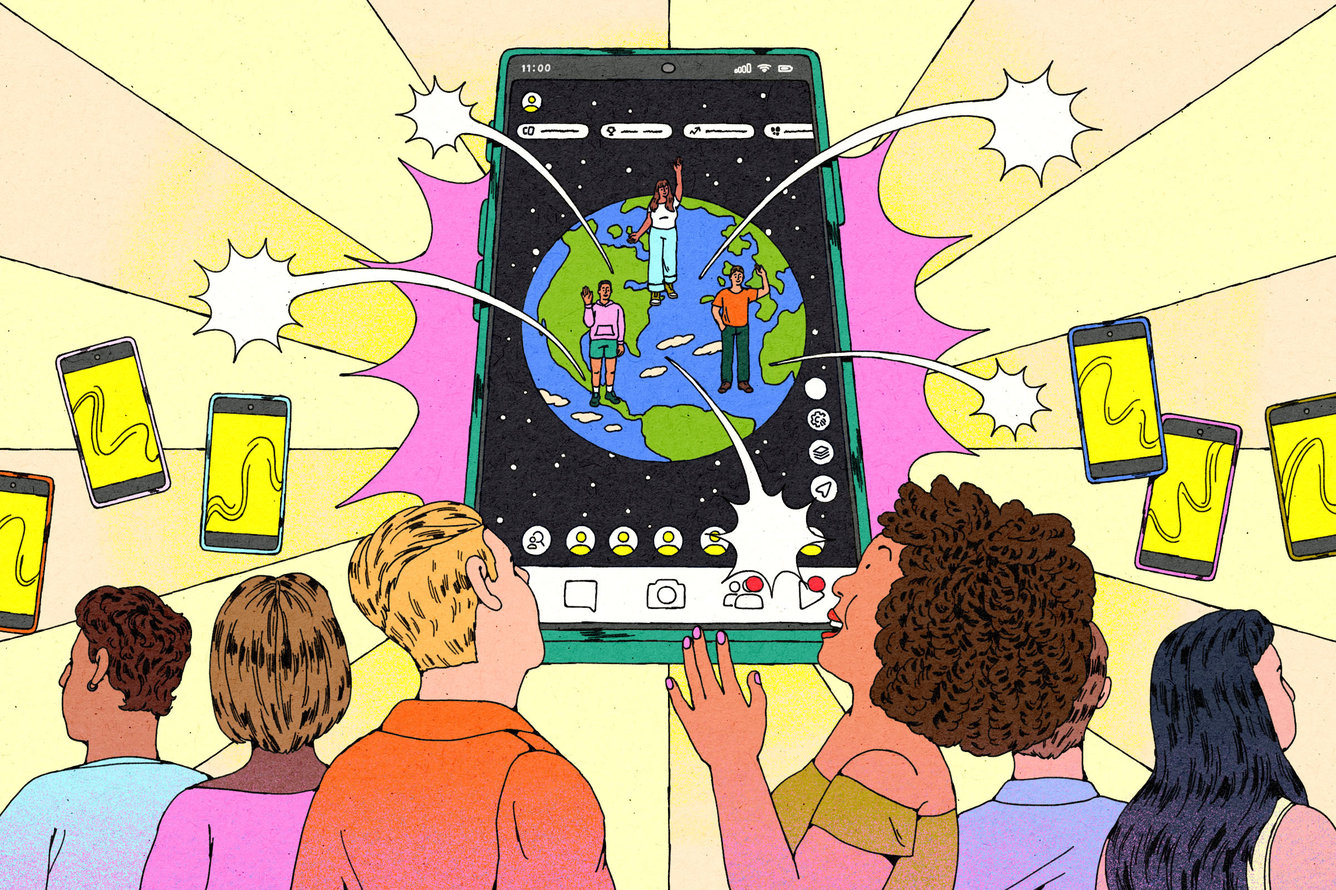 | The cost of playing it safe. Right now, there’s a behavioral shift moving the purchase decision into an entirely different environment. Increasingly, people decide to buy something in a DM or a group chat at the recommendation of a friend well before they see an ad for it. Snapchat’s Sid Malhotra discusses the cost of relying on the status quo amid this fundamental shift for marketers. |
|
|
AI Hop on board  Francis Scialabba | It’s been about a year since the ad-tech industry rolled out AdCP, an infrastructure standard for agent use in advertising including through media buying and creative management, in October. It’s been nine months since it formed AgenticAdvertising.org (AAO), a related nonprofit designed to promote AdCP. Now, the organization has a board. The board’s roster, announced Monday, includes leaders such as WPP Media CEO Ingmar Zach and Salesforce’s senior director of product management, Gabe Joynt. In total, there are 22 seats of a total of 40 potential seats filled, Benjamin Masse, the president of the board whose day job includes working as chief product officer of Triton Digital and EVP of the iHeart Technology Solutions Group, told Marketing Brew. Ten seats each are allocated to marketers, publishers, agencies, and tech companies, and while tech and publisher representation is full, AAO is looking to add additional board members from brands and agencies. The organization is building out its board as it continues to encourage adland to adopt agentic tools. Agentic technology is “akin to the arrival of the commercial internet,” Masse told us, and agents are already being used to buy across various channels, like audio, TV, and out-of-home, he said. “Everybody in all directions [is] testing,” he said. “It’s still new, but it’s actively being used and improved.” AAO has been working behind the scenes to identify potential board members, people who could provide a variety of perspectives, he added, “it took some time to be able to get to enough of these board members to have the credibility of being basically unbiased, having the perspective of all parties involved in the food chain,” he said. Continue reading here.—JS |
|
|
Sponsored By Profound 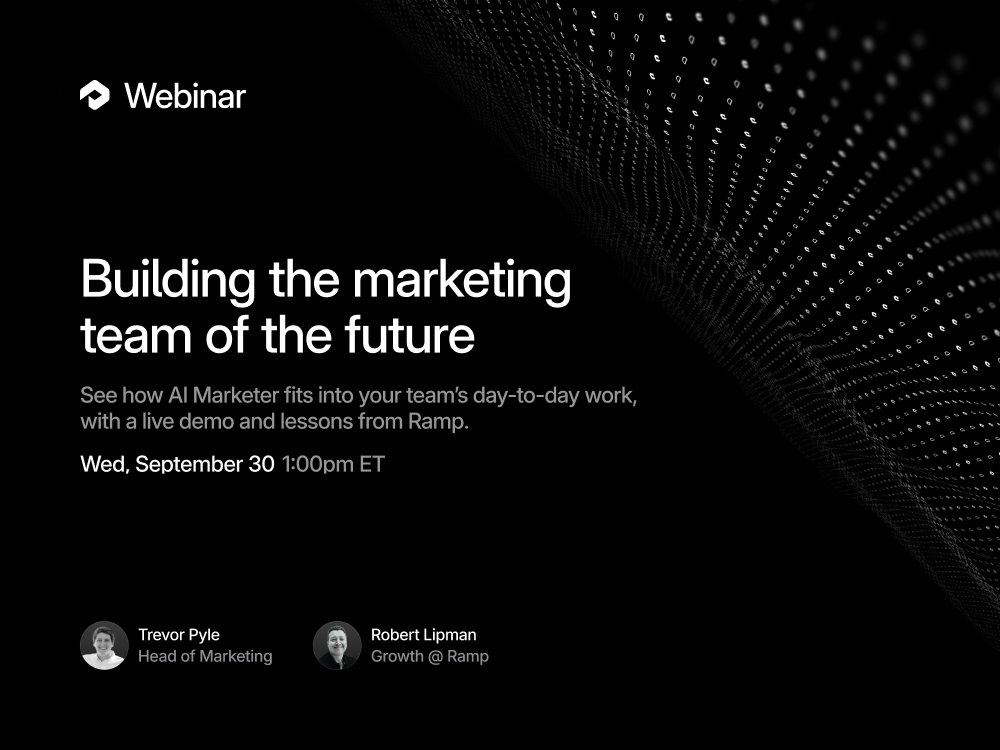 | Marketing’s next chapter. Ready to meet your team’s new MVP? Join Profound and Ramp on Sept. 30 as they walk through how AI-run marketing teams use an AI Marketer. Your AI Marketer helps surface opportunities, deploy agents, + handle the manual work while keeping you in the loop. See it in action. |
|
|
 | Level up your career with these resources from our sponsors! |
|
|
french press  | There are a lot of bad marketing tips out there. These aren’t those. Booked ’n’ busy: A guide to preparing for the busy retail season. Middle of the pack: A roundup of AI tools that some midsize brands are relying on for tasks ranging from campaign creation to community management. Welcome to Chili’s: A deep dive into the Tex-Mex chain’s marketing strategy and targeting Gen Z. *A message from our sponsor. |
|
|
EVENTS The summit, minus the airport 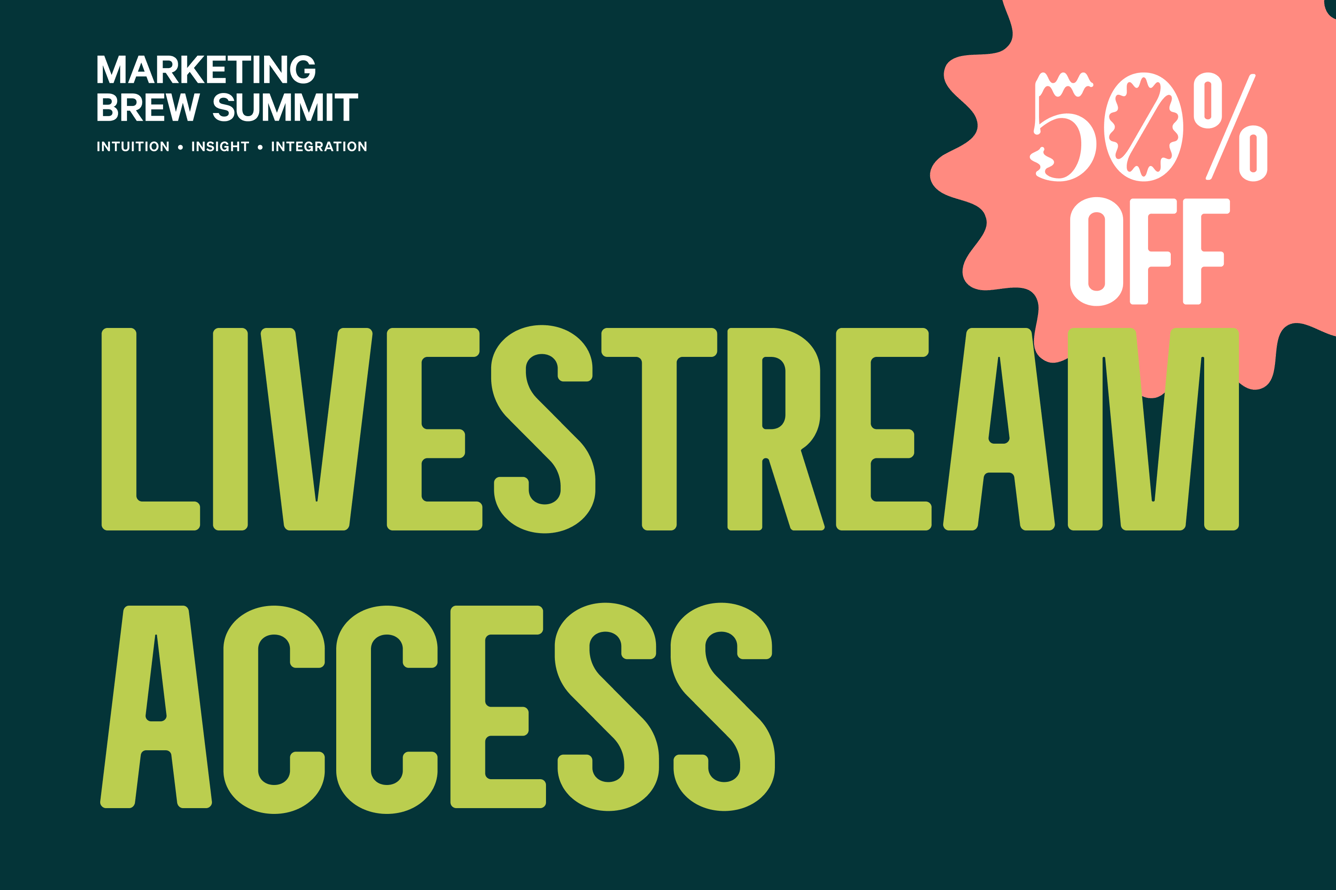 Morning Brew Inc. | Can’t make it to New York? Stream the entire Marketing Brew Summit from wherever you are—bed, desk, a suspiciously long lunch break—for half the price. Use code DECAF for 50% off the livestream. Same speakers, same takes, zero travel required. Grab your livestream pass before this deal wraps. |
|
|
IN AND OUT  | Executive moves across the industry. - Google Cloud tapped Stephanie Buscemi, formerly with the data infrastructure firm Confluent, as CMO.
- Patreon elevated Mike McGarry, its inaugural SVP of marketing, to the CMO role.
- Marc Jacobs hired John Wattiker, an exec at Hearst, as CMO.
|
|
|
Share the Brew

Share the Brew, watch your referral count climb, and unlock brag-worthy swag. Your friends get smarter. You get rewarded. Win-win.
Your referral count: 0
Click to Share
Or copy & paste your referral link to others:
marketingbrew.com/r/?kid=4a79007d
|
|
|
|
|