THE DIFFERENCE STARTS UPSTREAM With wild salmon, you’re generally getting what you’d expect: protein, vitamins, minerals, and healthy fats. With conventional farmed salmon, there can be more variables—especially tied to feed and farming conditions.
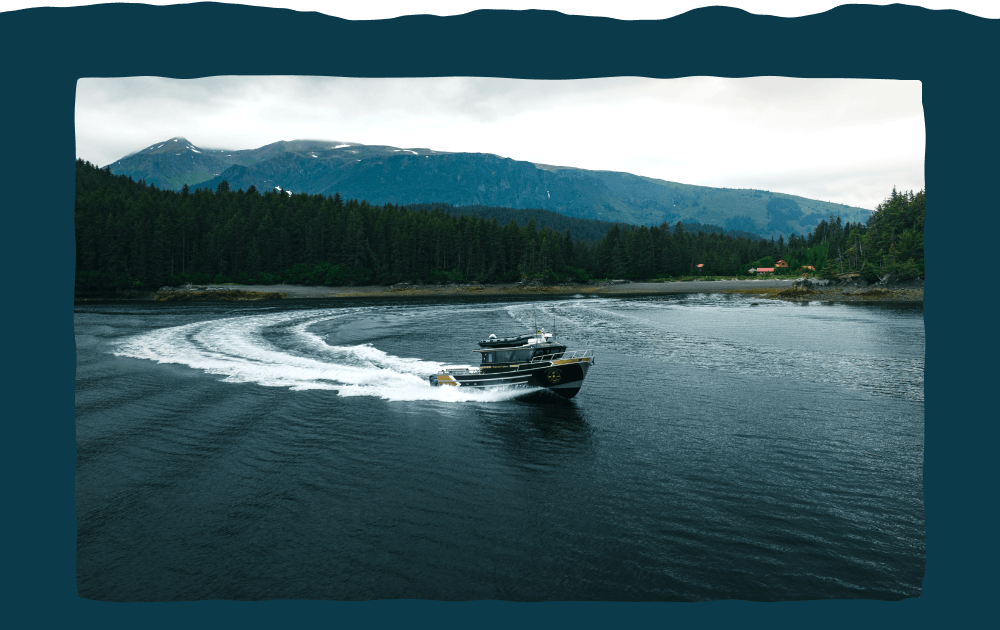
Wild salmon don’t require the same human intervention—no added pesticides, no contaminated feed, no antibiotics—just a fish that’s free to roam naturally flowing waters and hunt wild prey.
|
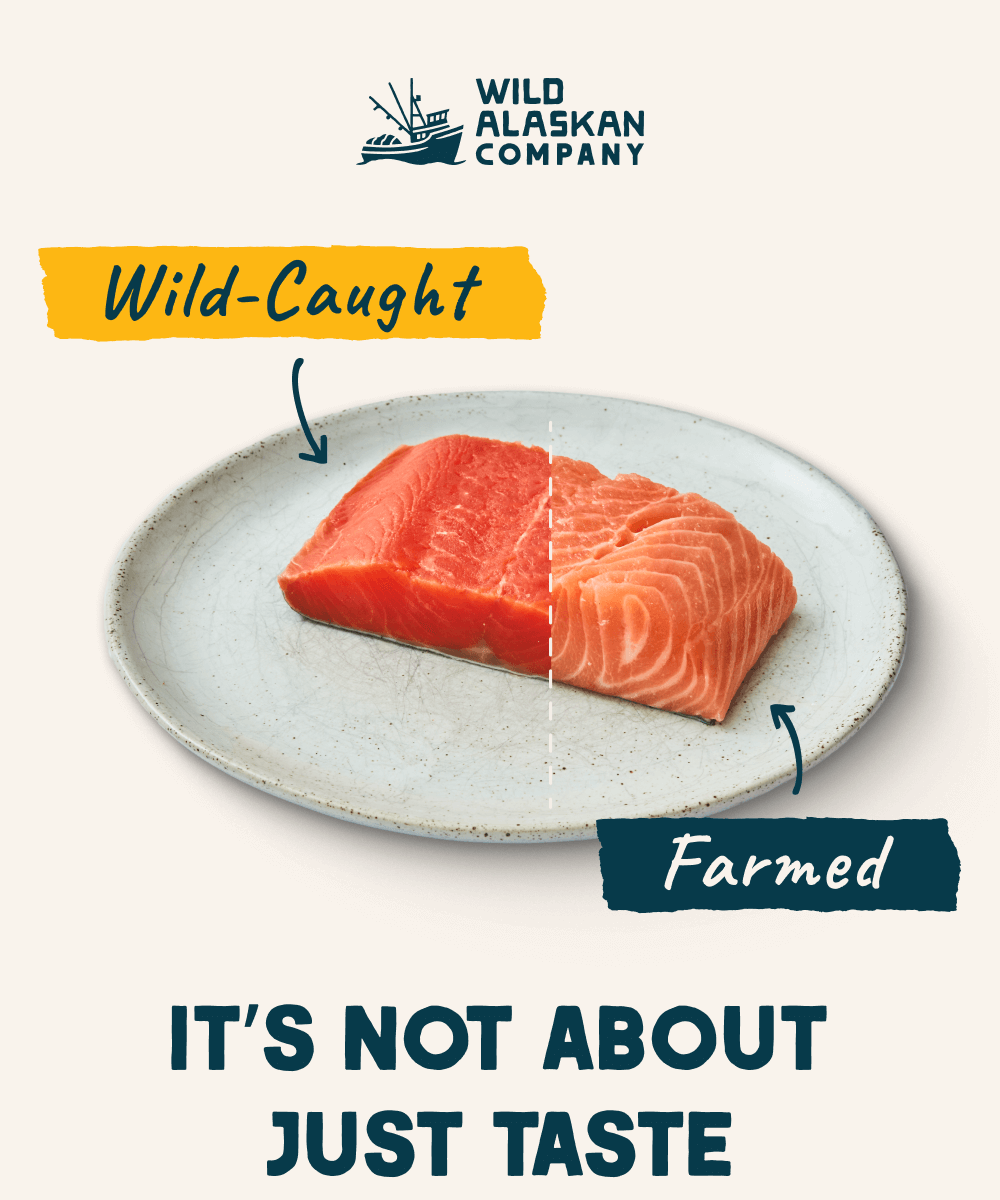
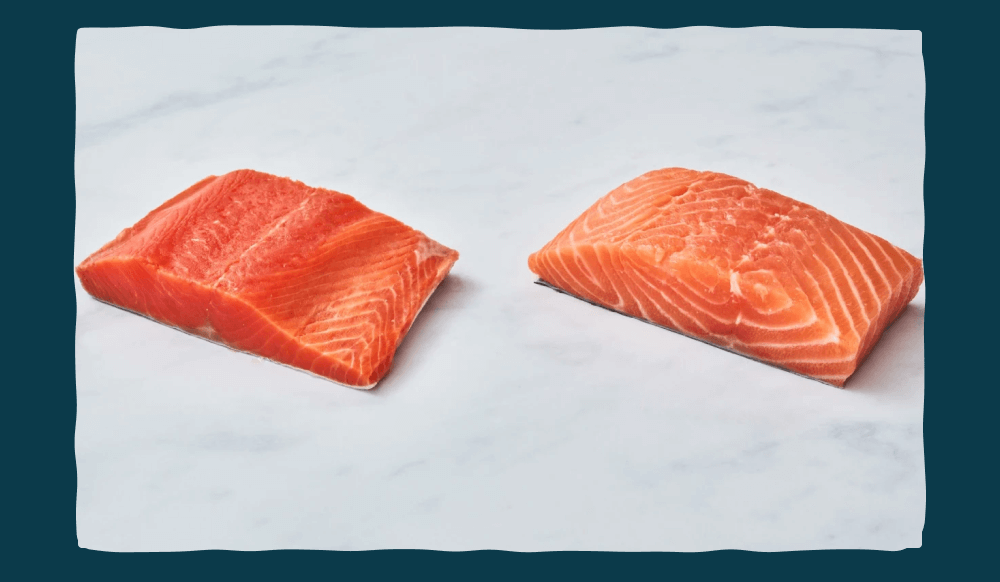
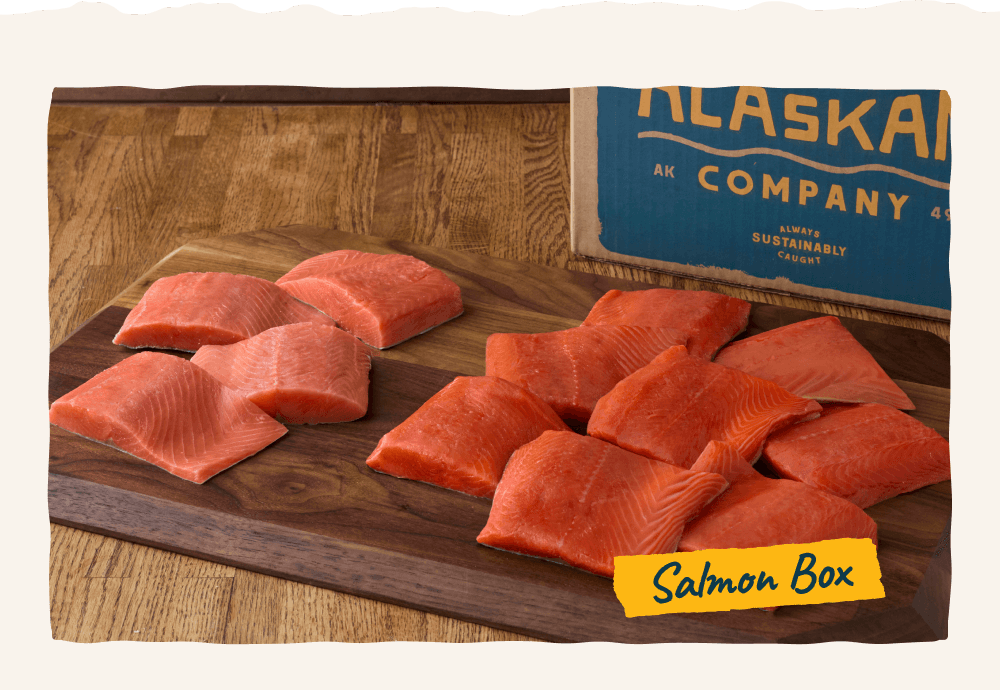
WHY THE COLOR IS DIFFERENT Wild salmon gets its pink/red color from a natural diet that includes shrimp and krill, which contain astaxanthin. Farmed salmon is often fed pellets supplemented with synthetic astaxanthin to mimic that color—without it, farmed salmon would be grey. |
FAT PROFILE & OMEGA-3S In addition to shrimp and krill, wild salmon get omega-3s (EPA and DHA) from eating wild prey fish—so those nutrients come straight from the natural food chain. That natural diet is why wild salmon are such a balanced source of omega-3s, which are often associated with benefits like supporting heart health. Farmed salmon diets have shifted more plant-based, which can change the fish’s overall fat profile. To add omega-3s back in, many aquaculture operations use plant-based pellets supplemented with fish oil made from wild prey fish—essentially relying on wild fish to help replicate the nutritional benefits of a wild diet. |