| Inside MLB’s move to bring more influencers into ballparks. |
Presented By |  |
It’s Wednesday. Your customers have an inbox, a phone, and a limited tolerance for both. On Nov. 4, Marketing Brew covers how to match email, SMS, push, and more to the right customer without wearing out your welcome. Register now. In today’s edition: —Alyssa Meyers, Andrew Adam Newman |
|
SOCIAL & INFLUENCERS Diamonds are forever 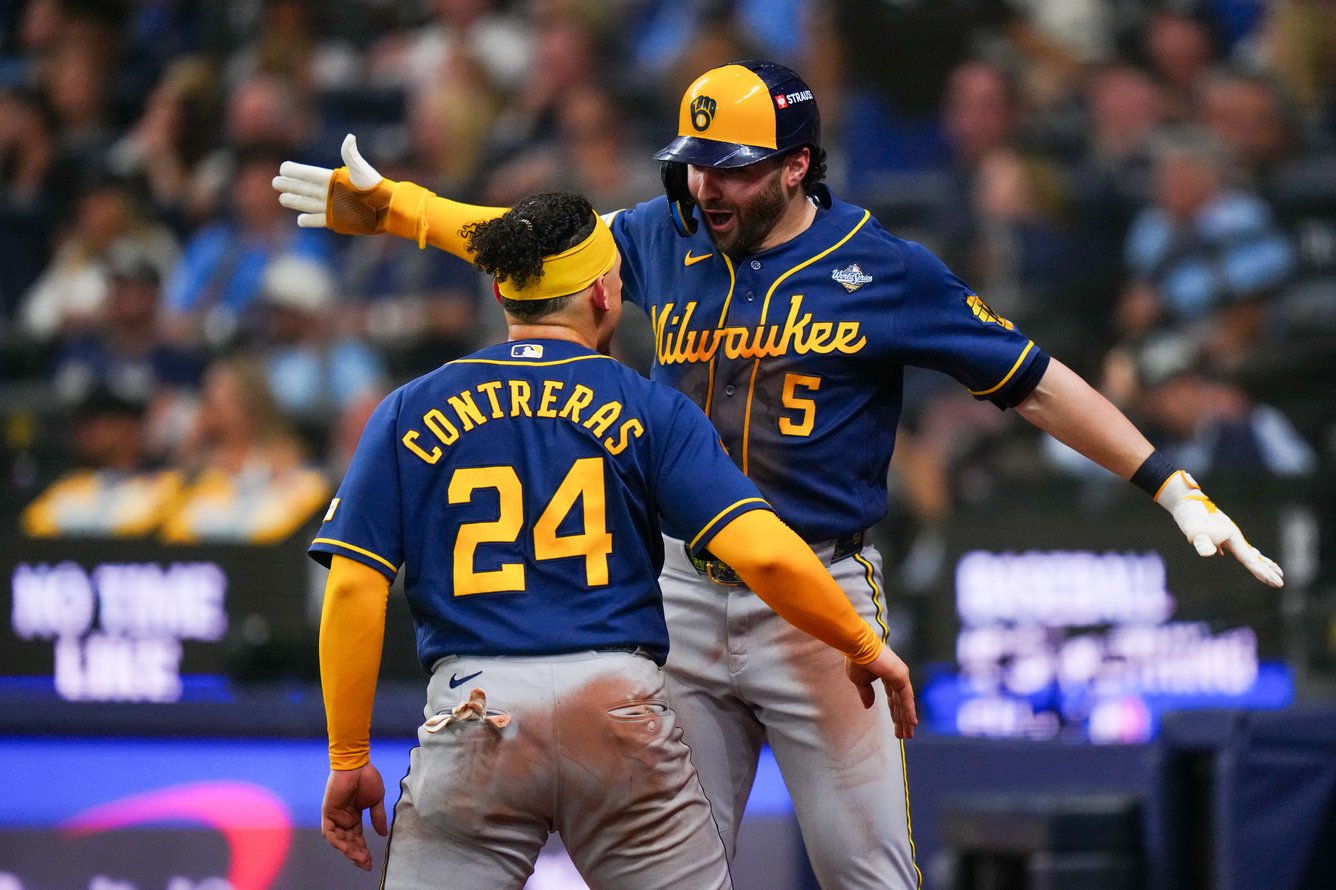 Daniel Shirey/Getty Images | A few months ago, the USTA faced widespread backlash because of the influx of influencers at this year’s US Open. That didn’t stop Major League Baseball from doubling down on content creators during its postseason. MLB is inviting more influencers to ballparks than ever before. More than 200 influencers will attend postseason games this year, and the content generated by them is expected to generate more than 100 million views, according to the league. Influencers, and certain media partners, also have “access above and beyond just going to a game,” Cameron Gidari, VP of social media and innovation, told Marketing Brew—but to avoid blinding anyone with a ring light, there have been a few stipulations. “They don’t want to break the rules…so let’s make sure that they’re informed ahead of time,” he said. “Let’s make sure they know what the guardrails are, and we have found that just by doing that, we feel really comfortable about who we’re bringing. A lot of that comes down to the vetting ahead of time…You do the prep ahead of time so that you can have the confidence that it will work out, and it’s less scary in the moment.” The league’s postseason approach is reflective of a broader revamping of its social and influencer strategy that started around this time last year. Coupled with other initiatives like partnering with popular book, movie, and television franchises, it stands to extend MLB’s fandom to audiences who’ve not previously considered the sport—and deepen the engagement of existing fans during a World Series that features two small-market teams. For more on the MLB’s influencer strategy and how it intersects with its athlete-led content, continue reading here.—AM |
|
|
SPORTS MARKETING Hit the pavement 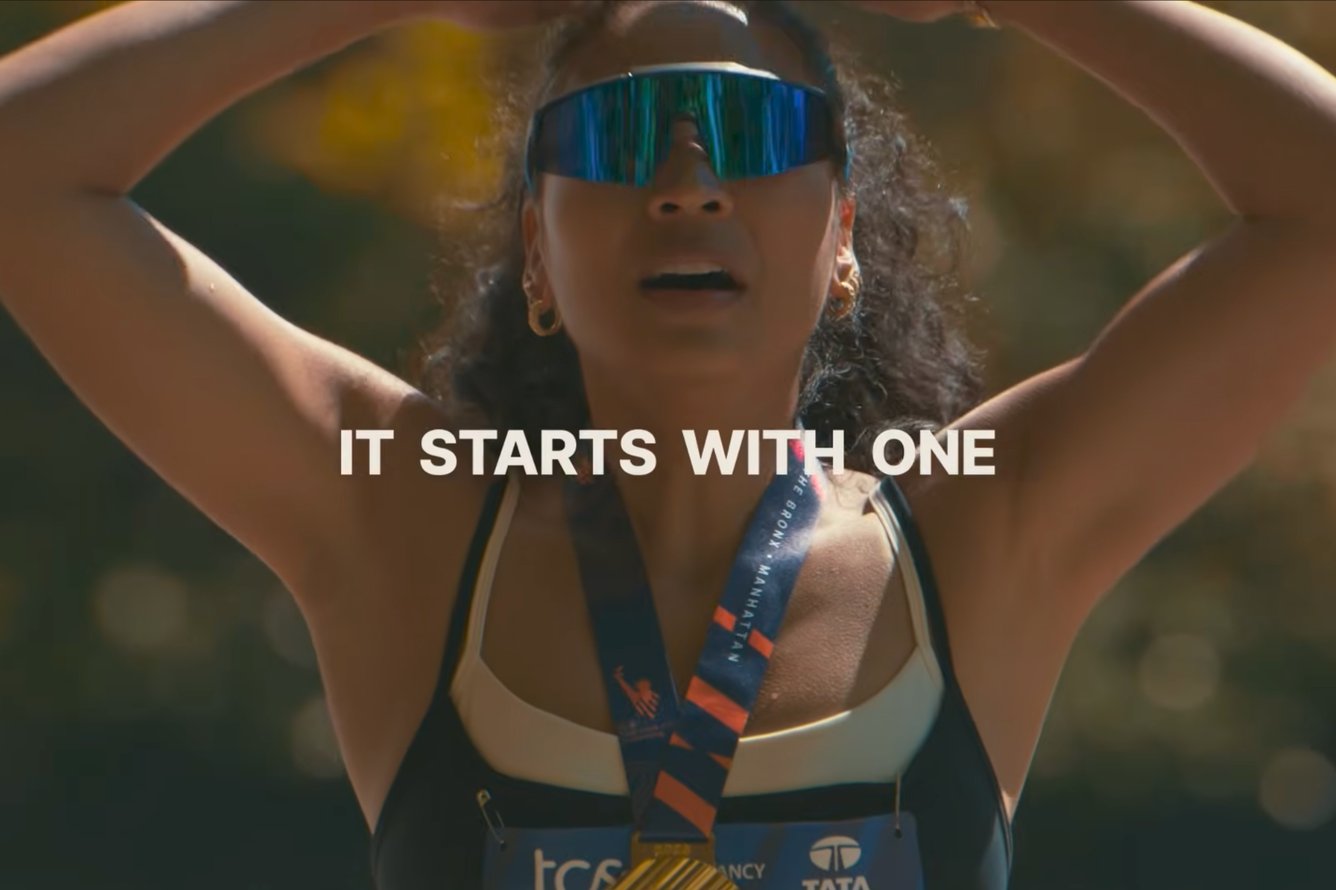 Screenshot via @nyrrvideo/YouTube | If you live (almost) anywhere in New York City, you’ll be hard-pressed to go about your day as usual on Sunday. That’s because the TCS New York City Marathon will, for the 50th time, take over streets spanning all five boroughs. Ordinarily, closed streets and crowded subway cars mean a whole lot of angry New Yorkers. But on marathon Sunday, the vibe is anything but hostile. “It is officially and unofficially the best day in New York,” Juliette Morris, chief marketing and digital officer of New York Road Runners (NYRR), the nonprofit behind the marathon, told Marketing Brew. “It’s the only time that people could care less that they can’t cross the street or drive their car. People are so invested in it and the spirit the race brings to the city…We want people out there.” To be sure that cheering reaches maximum volume over the weekend, NYRR has been running a marketing campaign not only to drive awareness for this year’s marathon but also to promote subsequent NYRR races and running in general. And naturally, out-of-home activations account for a significant chunk of NYRR’s 2026 marathon marketing, including double-decker branded buses, street pole banners, subway ads, digital taxi-top ads, and other digital OOH signage. “It’s to get the message to New Yorkers where they are every day—commuting, walking on the streets—and…to create that excitement, that tune-in, that spectator activity,” Morris said. For more on the thinking behind the campaign and how NYRR is hoping to supercharge this upcoming marathon weekend into broader interest in the organization’s efforts, read more here.—AM |
|
|
DATA & TECH Not buying it 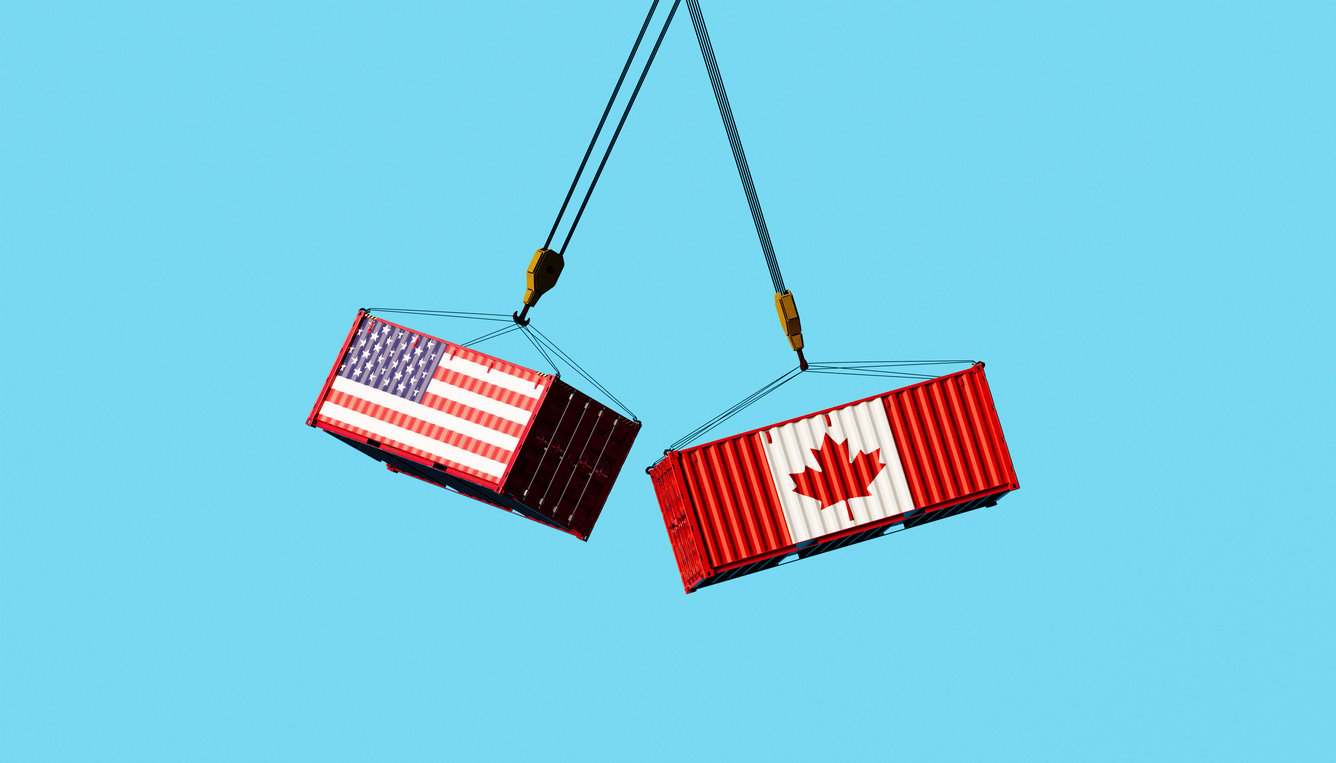 J Studios/Getty Images | After a year and a half of “51st state” taunts from President Trump, escalating tariffs, and most recently, outright import bans, it may come as no surprise that many Canadians are snubbing American products. - More than half (51%) of Canadians avoid buying US-made products when possible, according to a new report from Abacus Data based on a September survey.
- That’s up from 38% who’d avoided American products when Abacus asked in February 2025 amid Trump’s initial tariff threats against Canada.
Seven in 10 Canadians want grocery stores to remove American products from shelves. Even more want them to stock more Canadian and other non-US alternatives (87%) and to clearly label products that are made in Canada (89%).—AAN |
|
|
Sponsored By Expedia Group  | Hit the road. Before vacationers and business travelers hit the road, they shop. From packing essentials to can’t-miss pitstops, they embark on a shopping journey full of opportunities for brands. Expedia Group Advertising report explores how brands can make the most of pre-trip planning. Here’s what you need to know. |
|
|
french press  | There are a lot of bad marketing tips out there. These aren’t those. Location, location, location: A guide to TikTok’s premium ad placement offerings. Brainstorm sesh: Tips on using design thinking and ideation techniques. Efficiency: How to create Claude skills for workflow management. *A message from our sponsor. |
|
|
Desk calendar, rebranded 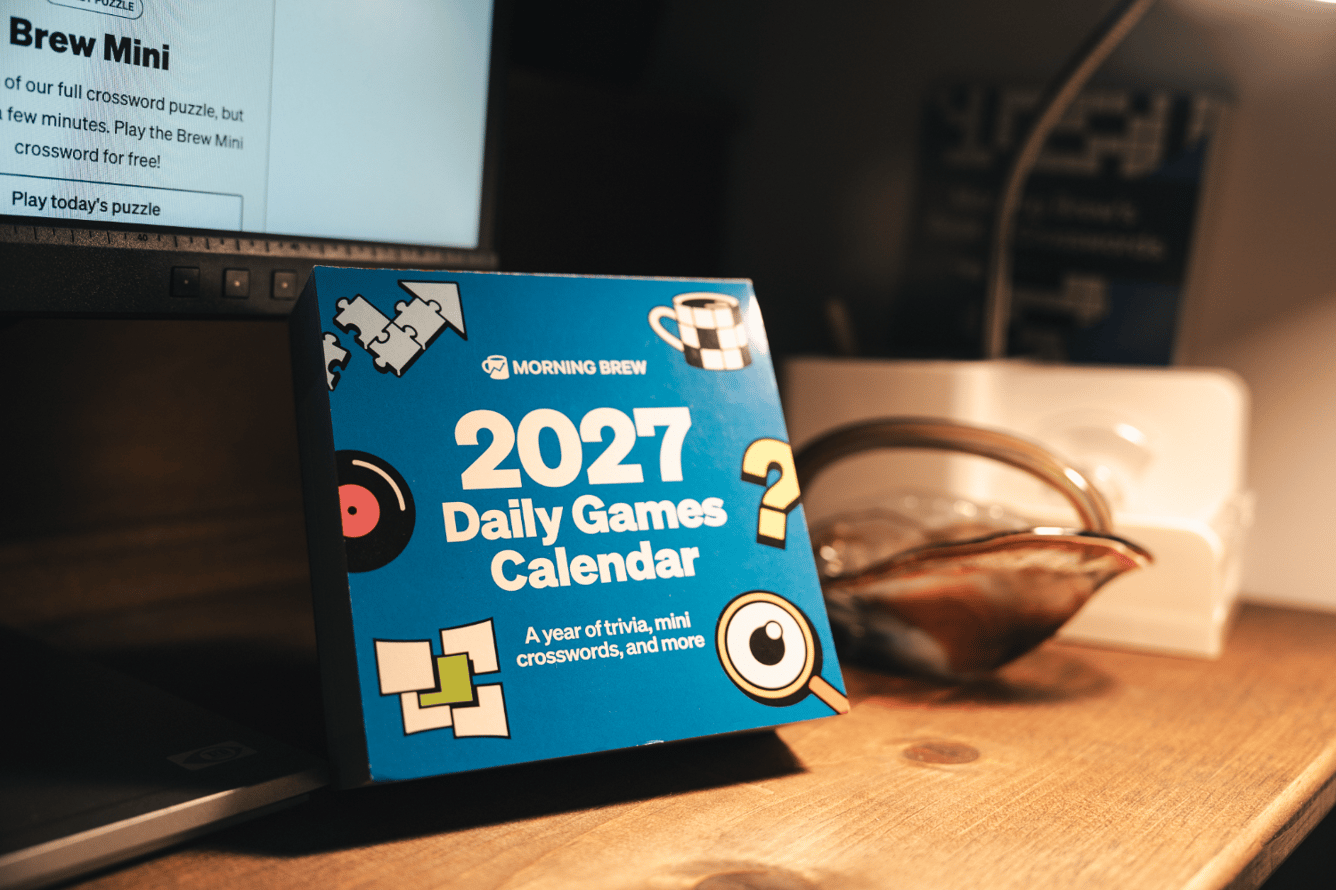 | Who said desk calendars have to be boring? Not us. The 2027 Morning Brew Games Desk Calendar has six games a week on tear-away pages, plus trivia that makes you a little smarter at parties. $25. Check it out |
|
|
METRICS AND MEDIA  | Stat: $1.5 billion. That’s how much Anthropic could spend on advertising this year as it prepares for an IPO, according to an analysis of the company’s S-1 filing from the newsletter Madison and Wall and cited by Ad Age. Quote: “I don’t think The Odyssey made a billion dollars at the box office because people were craving an ancient Greek text to be adapted. I don’t think it was entirely because of the stars, either. I think it was that Christopher Nolan has built a brand, and people are buying tickets a year in advance for one of his movies to spend three hours in his mind.”—Kishori Rajan, producer and writer at Viva Maude, speaking to Bloomberg about the importance of human authorship and AI’s impact in the creative and production industry Read: “Where have all the car commercials gone?” (the Wall Street Journal) |
|
|
Share the Brew

Share the Brew, watch your referral count climb, and unlock brag-worthy swag. Your friends get smarter. You get rewarded. Win-win.
Your referral count: 0
Click to Share
Or copy & paste your referral link to others:
marketingbrew.com/r/?kid=4a79007d
|
|
|
|
|