A Johns Hopkins AI researcher on what made her system stick ‌ ‌ ‌ ‌ ‌ ‌ ‌ ‌ ‌ ‌ ‌ ‌ ‌ ‌ ‌ ‌ ‌ ‌ ‌ ‌ ‌ ‌ ‌ ‌ ‌ ‌ ‌ ‌ ‌ ‌ ‌ ‌ ‌ ‌ ‌ ‌ ‌ ‌ ‌ ‌ ‌ ‌ ‌ ‌ ‌ ‌ ‌ ‌ ‌ ‌ ‌ ‌ ‌ ‌ ‌ ‌ ‌ ‌ ‌ ‌ ‌ ‌ ‌ ‌ ‌ ‌ ‌ ‌ ‌ ‌ ‌ ‌ ‌ ‌ ‌ ‌ ‌ ‌ ‌ ‌ ‌ ‌ ‌ ‌ ‌ ‌ ‌ ‌ ‌ ‌ ‌ ‌ ‌ ‌ ‌ ‌ ‌ ‌ ‌ ‌ ‌ ‌ ‌ ‌

The hardest part of medical AI is getting people to believe it

Plenty of AI tools can analyze medical data. Far fewer get used by the doctors and nurses they're built for, and fewer still show that patients actually do better. Dr. Suchi Saria, a Johns Hopkins computer scientist and founder of Bayesian Health, built one that did both: a system that watches hospital patients for early signs of sepsis, a dangerous overreaction to infection. It took more than a decade, and much of the hard work came after the algorithm existed. On the latest episode of NextLevel, she explains how she got hospitals, clinicians, and regulators to buy in, and what that means for continuous health monitoring.

How to trust medical AI →

Five Key Takeaways

1. Trust has to be built with everyone at once.

Hospitals need to know a tool is easy to install and will pay for itself, and clinicians need alerts that mean something and leave the final call to them. Everyone needs peer-reviewed evidence that it works.

2. Continuous data needs continuous interpretation.

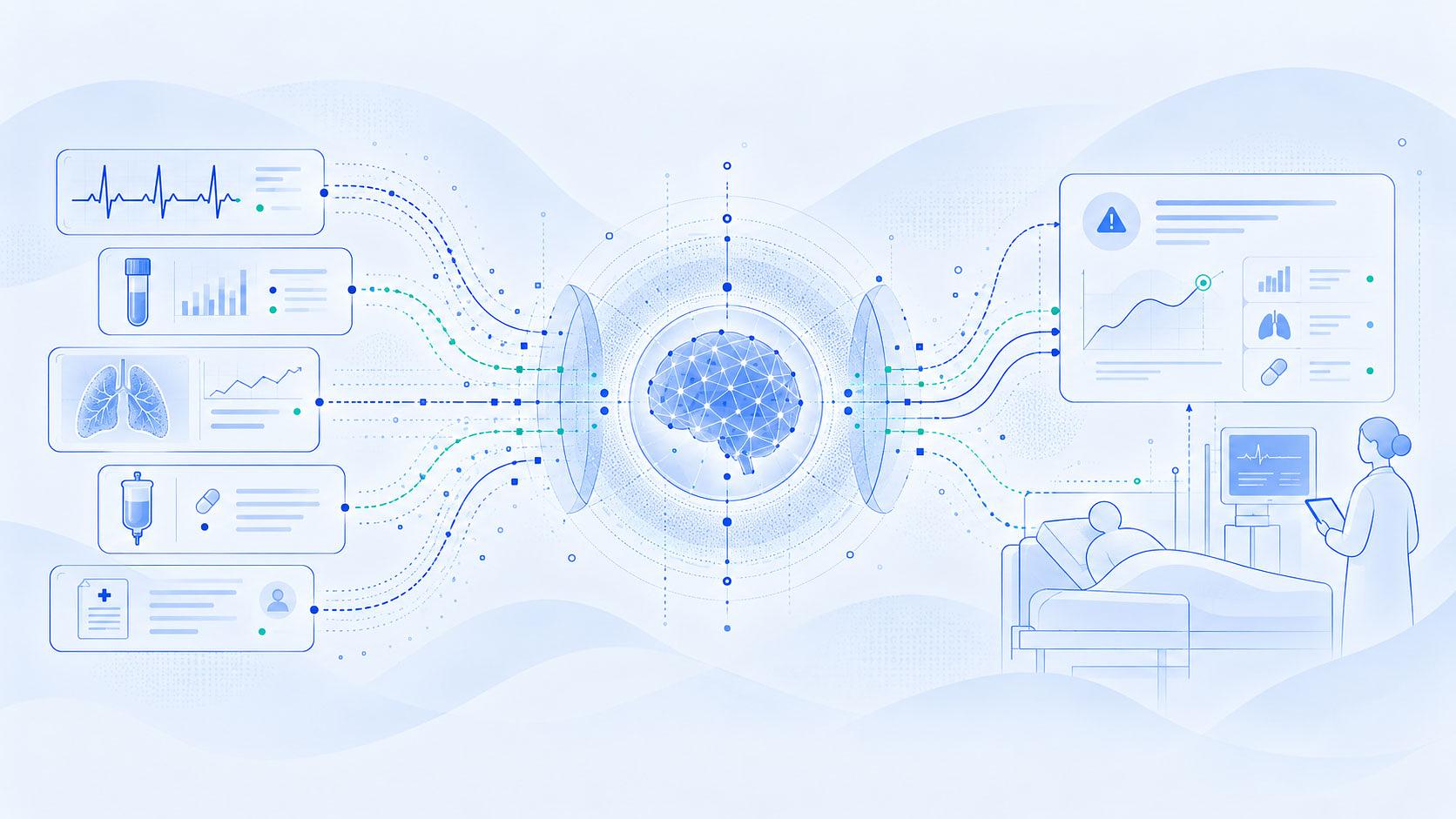
Hospitals were already capturing a steady stream of vitals and labs but often reviewing it in batches hours apart. The value came from reading each new measurement as it arrived, against that patient's own normal.

3. The best alerts know when to stay quiet.

Clinicians are interrupted so often by simple, rule-based alarms that they learn to ignore them. Saria's system speaks up when it's confident and waits for more data when it isn't, and clinicians evaluated nearly 9 in 10 of its alerts, compared with the 10 to 15 percent typical of health record alerts.

4. AI earns responsibility the way a new hire does.

Saria's rule for high-stakes care is "verify, validate, and then trust," handing over more as a track record builds. Clinicians said their trust came from hands-on experience, colleagues' endorsements, and keeping control of the decision.

5. Medicine is aiming too low with AI.

Hospitals mostly use it for billing and paperwork today. Saria sees the bigger opportunity in catching preventable harm as it happens, since diagnostic errors are linked to an estimated 371,000 US deaths a year.

Read the full story →

Looking to understand more about your metabolic health?
Explore our health news and advice site,
Metabolic Insights

228 Park Ave South, PMB 63877, New York, NY 10003